

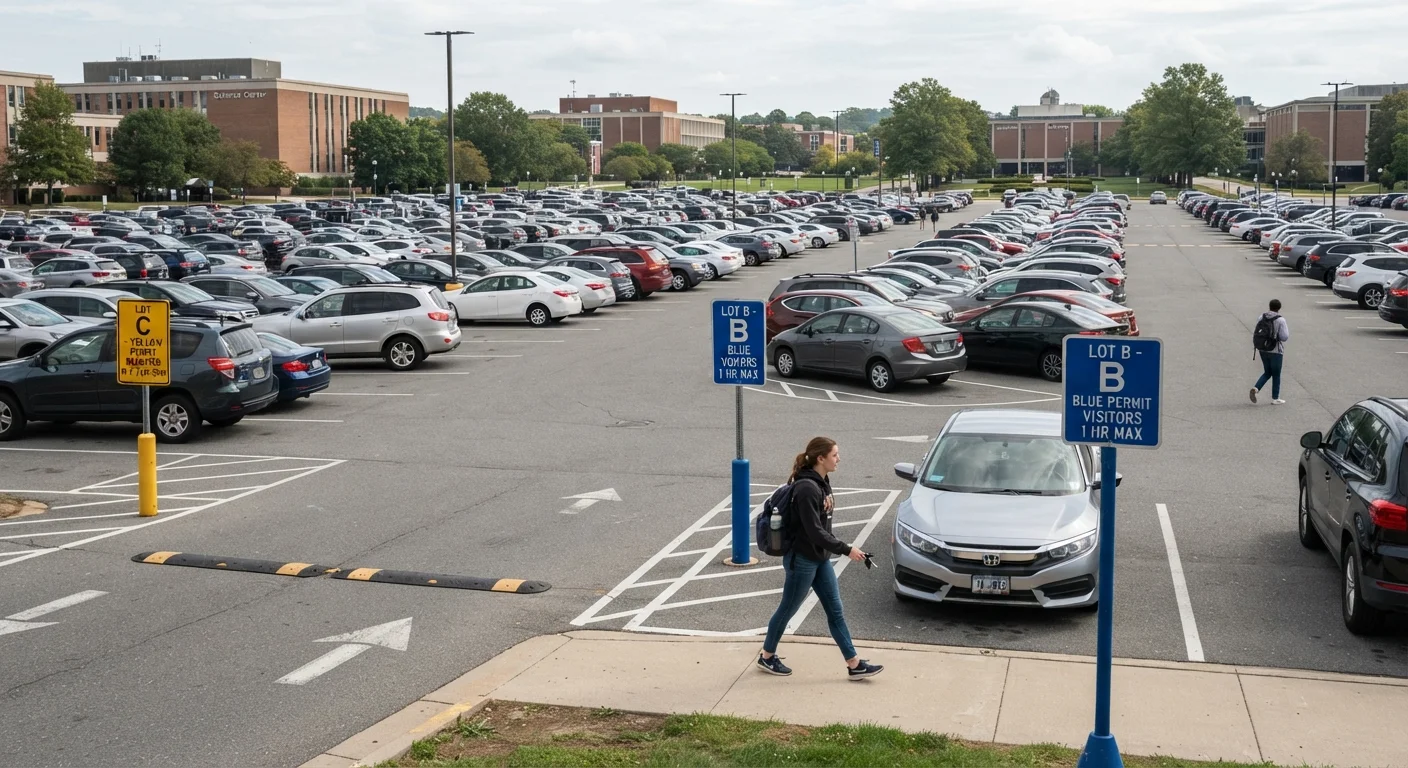
How Campus Parking Systems Are Structured
University parking systems are not one-size-fits-all. Most campuses divide their parking inventory into zones - each with its own rules, pricing, and proximity to campus buildings. A permit for Zone C (a remote lot) does not grant access to Zone A (a premium lot near the library). Understanding this zoning structure is the first step to avoiding unnecessary fines.
Permits typically fall into one of several categories:
- Commuter permits: For students who live off campus and drive to class regularly.
- Resident permits: For on-campus students who store a vehicle nearby, often with restricted hours.
- Faculty/staff permits: Separate from student permits and usually covering different lots or hours.
- Temporary or daily permits: Short-term passes available when a student needs occasional access without a full-semester commitment.
Pricing and zone availability are set by each institution individually, so costs can range considerably. For a broader look at what campus car ownership actually costs, see Beyond the Sticker Price: Parking, Permits, and Other Campus Car Fees.
License Plate Recognition Is Now Common
A growing number of universities have moved away from windshield stickers toward digital permits verified by license plate recognition cameras. If your school uses this system, you may not receive a physical sticker - but your vehicle registration must still be accurate and up to date in the parking services database. An unregistered plate will trigger a citation regardless of whether a sticker is visible.
The Permit Registration Process
Most schools open permit registration during a defined window - often weeks before the semester begins. Missing this window can leave you without a permit or stuck at the back of a waitlist. Here's what the typical process looks like:
- Check eligibility first. Some schools restrict freshmen or on-campus residents from obtaining commuter permits. Confirm you qualify before registering.
- Register your vehicle. You'll need your license plate number, make, model, and year. Inaccurate information can invalidate a permit.
- Select a zone. Review the campus parking map carefully. Closer lots fill faster and often cost more.
- Pay the permit fee. Fees may be charged upfront or added to your student account. Payment deadlines are typically firm.
- Receive and display your permit. Physical stickers must be placed where specified - usually the lower driver's side windshield or rear window. Hangtags go on the rearview mirror. If your school uses license plate recognition, no sticker is needed, but registration must still be complete.
If you're new to the campus commute experience overall, Getting Started as a Campus Commuter walks through the full picture from day one.
Apply the Moment Registration Opens
Set a calendar reminder for your school's permit registration opening date and time. High-demand zones - especially those near academic buildings or campus centers - can fill within a few hours. Waiting even a day can mean starting the semester on a waitlist or settling for a remote lot.
Waitlists, Enforcement, and Common Mistakes
High-demand lots - particularly those close to academic buildings - often fill within hours of registration opening. When a zone is full, most schools offer a waitlist. Waitlist position is typically first-come, first-served, and spots open up as other students transfer, withdraw, or voluntarily return permits. In competitive markets, a central lot waitlist can take an entire semester to clear.
Enforcement is more sophisticated than many students expect. Beyond traditional parking attendants, campuses increasingly deploy license plate recognition cameras mounted on patrol vehicles that automatically flag unregistered cars. The assumption that enforcement is inconsistent or easily avoided is one of the most costly parking myths students carry.
For a reality check on those assumptions, Parking Myths That Keep Costing Students Money and Time addresses the most common misconceptions directly.
Common mistakes to avoid:
- Parking in a zone your permit doesn't cover, even briefly.
- Letting your permit expire without renewing - enforcement systems flag expired registrations.
- Assuming a permit covers 24 hours when it may be restricted to certain hours only.
- Sharing a hangtag permit with another driver whose vehicle isn't registered under that permit.
Understanding posted signage is equally important. Reading Campus Parking Signs Without Getting It Wrong explains what enforcement-hour markers, permit-only designations, and timed zone signs actually mean in practice.
65%+
Students who drive to campus at least occasionally
Surveys conducted by various university transportation offices suggest the majority of commuter students rely on personal vehicles at least part of the week.
$100-$900+
Typical annual student parking permit cost range
Permit pricing varies widely based on institution size, location, and lot tier - urban campuses with limited space tend toward the higher end of the range.
1 in 3
Students unaware their permit is zone-restricted
Campus parking services departments frequently report that zone-restriction violations are among the most common citation categories, often stemming from permit misunderstanding.
Alternatives When a Permit Isn't Available or Practical
If you're on a waitlist or a permit doesn't fit your schedule, you still have options. Many campuses maintain metered lots or short-stay areas that don't require a permit - useful for occasional visits rather than daily commuting. Navigating Campus Drop-Off Zones, Loading Bays, and Short-Stay Parking covers how these zones operate and what rules apply.
Off-campus options are worth exploring too. Municipal street parking near campus, private surface lots, and park-and-ride programs connected to campus transit routes can all reduce the need for a full permit. Factor in walking distance, lot security, and any associated fees when comparing alternatives.
For students who commute infrequently, a daily or weekly temporary permit - where offered - may be more cost-effective than a full-semester pass. Run the numbers against your actual expected driving days before committing to an annual or semester permit.
This article provides general educational information about how campus parking permit systems typically work. Policies, fees, zones, and enforcement practices vary by institution. Always consult your college or university's official parking services office for rules specific to your campus.
Frequently Asked Questions
Generally, no. Most campus permits are zone-specific, meaning they authorize parking only in designated lots or areas. Parking in a zone outside your permit's coverage can result in a citation even if you have a valid permit. Check your permit documentation or the campus map for which zones apply to your pass.
Parking without a valid permit in a permit-required zone typically results in a fine issued by campus parking services or local enforcement. Repeat violations can escalate to vehicle immobilization with a boot or towing at the owner's expense. Fines vary widely by institution.
Most schools manage waitlists through their parking services portal. Log in during the permit registration window, apply for the zone you want, and request placement on the waitlist if it's full. Waitlist position and wait times vary - some students wait an entire semester or more for high-demand lots.
Refund policies differ by institution. Many schools offer prorated refunds if you return a permit before a certain deadline. Review your school's parking services refund policy before purchasing, especially if your commuting plans might change mid-semester.
Many universities restrict or limit parking permit eligibility for first-year students living on campus, prioritizing commuters and upperclassmen. Check your school's eligibility rules before assuming you qualify - some campuses require proof of off-campus residency.
Most permits are non-transferable and tied to a specific license plate or registered vehicle. If you change vehicles, you typically need to update your registration with parking services. Using a permit on an unregistered vehicle can result in a citation.
The content provided on our blog site traverses numerous categories, offering readers valuable and practical information. Readers can use the editorial team’s research and data to gain more insights into their topics of interest. However, they are requested not to treat the articles as conclusive. The website team cannot be held responsible for differences in data or inaccuracies found across other platforms. Please also note that the site might also miss out on various schemes and offers available that the readers may find more beneficial than the ones we cover.