

Our Verdict
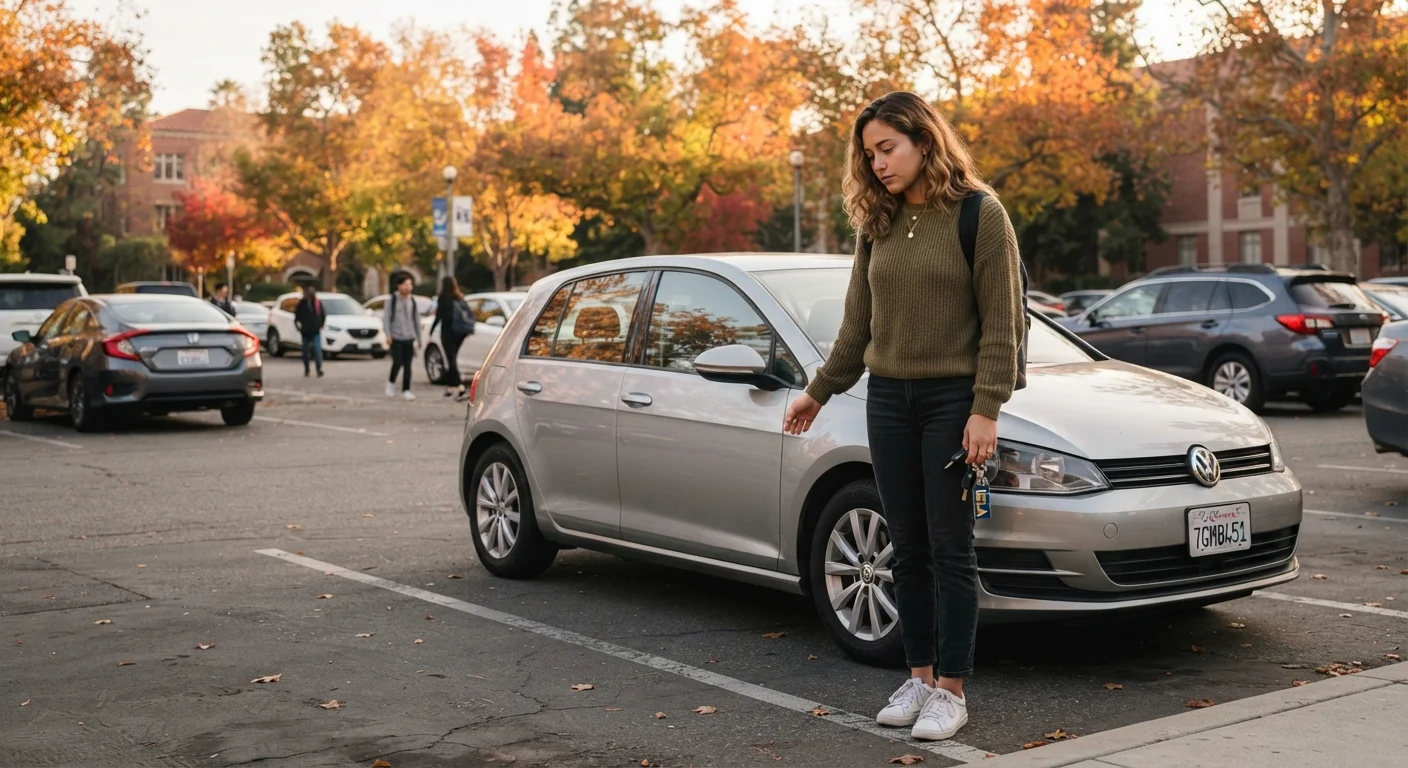
A car can be a worthwhile investment for students whose circumstances genuinely require one — particularly those commuting from off-campus housing, working jobs unreachable by transit, or living in areas with limited public transportation. However, for students at walkable urban campuses with solid transit access, the recurring costs often outweigh the convenience. The decision should be driven by a careful, honest accounting of real expenses rather than the appeal of convenience alone.
Students who commute from off-campus locations, hold jobs with irregular hours, or live in areas where public transit is sparse or unreliable.
What Car Ownership Actually Costs a Student
The purchase price of a vehicle is only the opening figure. Once you own a car, a predictable set of recurring expenses follows — and for students on tight budgets, these can add up faster than expected.
Insurance is typically the largest ongoing cost after a loan or lease payment. Young drivers under 25 pay some of the highest auto insurance premiums in the country due to actuarial risk factors. Annual premiums can range widely depending on the state, the vehicle, and the driver's record, but students frequently pay between $1,500 and $3,000 or more per year for a basic policy.
Fuel, routine maintenance (oil changes, tire rotations, brake inspections), registration fees, and campus parking permits layer on top of that. Many universities charge $300–$900 annually for a parking permit alone. For a full breakdown of what these costs look like together, see our complete cost breakdown for student car owners.
Auto Loans and Student Finances
Financing a car through an auto loan means paying more than the vehicle's sticker price once interest is factored in. Loan terms, interest rates, and total cost vary depending on creditworthiness and lender. This article provides general information only — speak with a qualified financial adviser or your school's financial aid office before taking on vehicle debt.
Students who are considering financing a vehicle should understand that an auto loan adds interest costs to the total price paid. General financial education content is available through your university's financial aid office or student services — consult a qualified financial adviser for guidance on your specific situation.
The Real Advantages of Having a Car
For many students, a car isn't a luxury — it's a practical necessity tied directly to income, housing, or health.
Access to jobs with non-standard hours
Many part-time and hourly jobs that help students pay their bills operate outside of normal transit hours. A car makes these positions reachable when buses and trains do not run.
Essential for students in low-transit areas
Students living in suburban or rural areas near campus often have no practical alternative to driving. In these contexts, a car is a functional necessity, not a convenience.
Flexibility for off-campus errands and healthcare
Grocery runs, medical appointments, and family visits become significantly easier with a personal vehicle, reducing time spent coordinating around transit schedules.
Storage and hauling capacity
Moving between dorms, apartments, and home during breaks is dramatically simpler with a car. This can reduce or eliminate the cost of shipping or renting a vehicle.
Students working part-time or full-time jobs with early morning or late-night shifts often find public transit simply doesn't operate when they need it. A car makes those jobs accessible, which has a direct impact on the ability to fund tuition, rent, and living expenses. Similarly, students living more than a few miles from campus in areas without reliable bus or rail service depend on a vehicle for basic daily functioning.
For more on what day-to-day campus commuting actually involves, our guide on driving to campus every day walks through the realistic picture before you commit.
The Financial Drawbacks You Shouldn't Overlook
Even when a car feels necessary, the financial drag it creates is real and persistent.
High insurance costs for young drivers
Drivers under 25 typically pay the highest premiums in their household. This cost is largely fixed and does not decrease significantly with moderate usage.
Parking permits add hundreds per year
Campus parking permits at many universities cost several hundred dollars annually, and are not always guaranteed. Some campuses have waitlists for student permits.
Maintenance and repair costs are unpredictable
Even a reliable used vehicle requires regular servicing, and unexpected repairs — a failed battery, worn brakes, or a flat tire — can cost hundreds of dollars with little warning.
Fixed costs continue during breaks and summers
Insurance and loan payments do not pause when classes are not in session. Students who return home for the summer still carry the monthly cost of a vehicle they may barely use.
Depreciation erodes vehicle value steadily
Vehicles lose value over time regardless of how carefully they are maintained. A car purchased as a student is unlikely to retain its value through graduation without significant financial loss.
Unlike many student expenses, car costs don't pause during winter break or summer. Insurance, loan payments, and registration renew on fixed schedules regardless of whether the car is being used. Students who underestimate these fixed obligations often find themselves drawing down savings or accumulating credit card debt to cover the gap.
The question of new versus used adds another layer of complexity. Our article on buying used vs. buying new as a student outlines how depreciation, reliability, and insurance costs shift depending on which route you take. There are also costs many students don't budget for, including emergency repairs, roadside assistance, and the cost of a rental if your car is in the shop.
How to Make the Decision Rationally
The most useful exercise before committing to car ownership is building an honest monthly budget that includes every cost — not just fuel and insurance, but a small monthly set-aside for repairs and unexpected expenses.
$1,500–$3,000+
Typical annual auto insurance cost for drivers under 25
Young drivers face significantly higher insurance premiums due to statistical risk factors assessed by insurers; exact figures vary widely by state, vehicle, and driving record.
$300–$900
Annual campus parking permit cost at many universities
Parking permit fees vary considerably by institution and location; urban campuses with limited space tend to charge more, and permit availability may be restricted.
Compare that total against what you would spend on transit passes, rideshare services, or bike infrastructure. In some cities, a monthly transit pass costs under $100, making the math straightforward. In rural or suburban areas, that comparison shifts considerably.
If you do decide a car makes sense, being well-grounded in car ownership fundamentals will help you avoid costly beginner mistakes — from skipping routine maintenance to choosing the wrong insurance coverage level. For students already committed to driving, our honest look at car commuting covers both the advantages and the friction points that regular campus drivers report.
This article provides general financial and automotive information for educational purposes. It is not personalised financial or legal advice. Consult a qualified financial adviser or your institution's student services office for guidance specific to your situation.
The content provided on our blog site traverses numerous categories, offering readers valuable and practical information. Readers can use the editorial team’s research and data to gain more insights into their topics of interest. However, they are requested not to treat the articles as conclusive. The website team cannot be held responsible for differences in data or inaccuracies found across other platforms. Please also note that the site might also miss out on various schemes and offers available that the readers may find more beneficial than the ones we cover.