

Why Dashboard Lights Exist (And Why You Shouldn't Ignore Them)
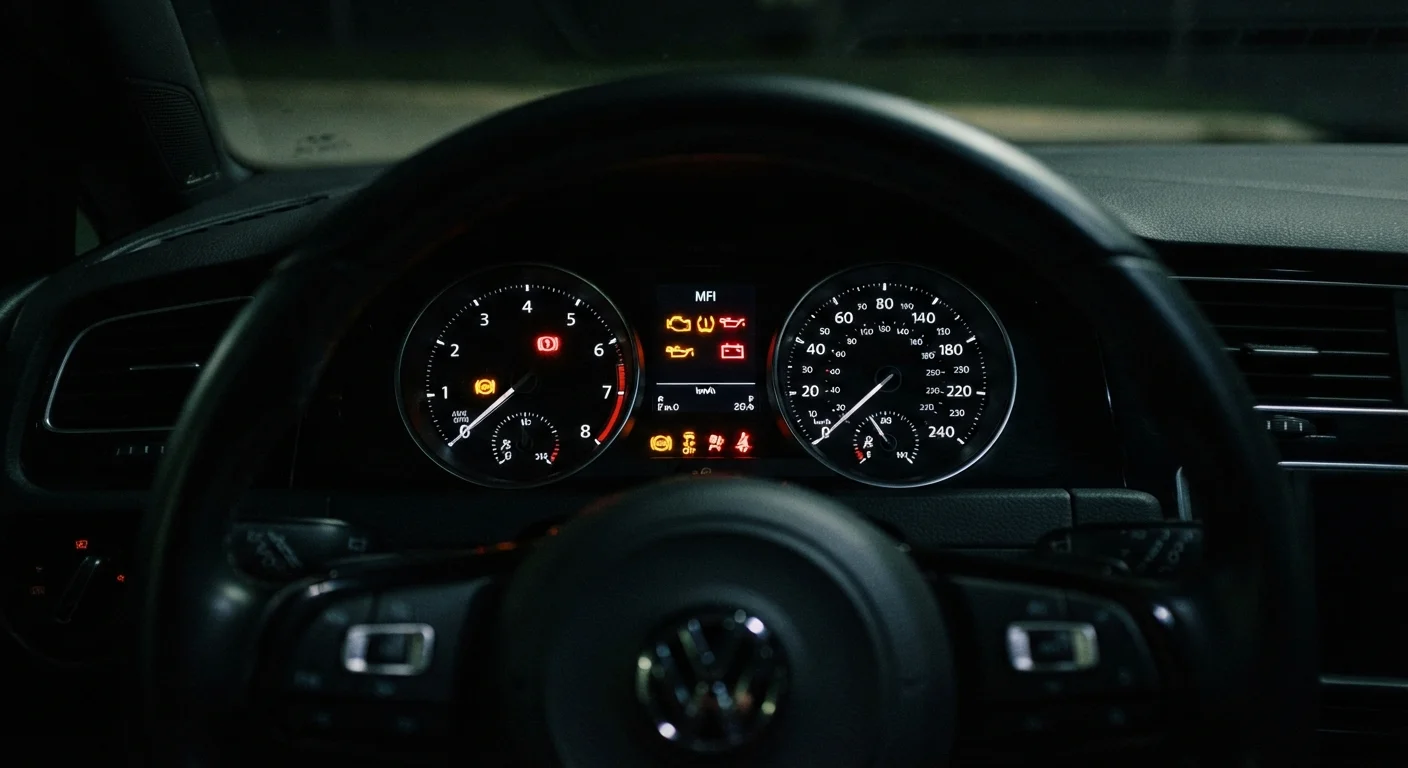
Modern cars are packed with sensors that monitor everything from oil pressure to exhaust emissions. When something falls outside a safe range, the car's onboard computer triggers a warning light on your dashboard. Think of these lights as your car's communication system — a way of flagging a potential problem before it becomes a breakdown or a safety hazard.
Lights are generally grouped by urgency using color:
- Red — Stop and investigate immediately. These indicate serious issues that can cause damage or put you at risk.
- Amber/Yellow — Attention required soon, but not necessarily a roadside emergency.
- Green or Blue — Informational only (e.g., high beams are on, turn signal is active).
To understand the systems behind the lights, it helps to know your car's core components. See our guide to key car components for a plain-language breakdown.
| Red light urgency | Stop driving as soon as safely possible |
| Amber light urgency | Investigate within 24–48 hours |
| Flashing check engine light | More serious than a steady light — seek help promptly |
| Most common warning light | Check Engine (can have 100+ possible causes) |
| TPMS trigger threshold | Typically 25% below recommended tire pressure (U.S. NHTSA TPMS regulations) |
The Most Common Warning Lights Explained
Below are the lights you're most likely to encounter, what triggers them, and how urgently you should respond.
OBD / Onboard Diagnostics
A built-in computer system in your car that monitors the health of major components. When a sensor detects a problem, the OBD system stores a fault code and triggers the relevant warning light.
TPMS
Tire Pressure Monitoring System. A sensor-based system that alerts you when one or more tires drops below a safe pressure threshold, indicated by an amber dashboard light.
Alternator
A generator driven by your engine that keeps the battery charged while the car is running. A failing alternator can trigger the battery warning light even if the battery itself is new.
Coolant
A liquid that circulates through the engine to regulate temperature and prevent overheating. Low coolant is a common cause of the engine temperature warning light.
Oil Pressure
The force at which oil is pumped through the engine to lubricate moving parts. Dangerously low oil pressure triggers a red warning light and requires immediate attention.
Engine Warning (Check Engine)
This amber light can mean dozens of things — from a loose gas cap to a misfiring engine. If it's steady (not flashing), you can usually drive to a mechanic within a day or two. If it's flashing, pull over safely when possible and call for assistance, as a flashing light often means active engine damage risk.
Oil Pressure Warning
A red oil can symbol means your engine's oil pressure has dropped dangerously low. Stop driving as soon as it is safe to do so. Running with low oil pressure can destroy your engine within minutes. Check your oil level first — it may simply be low. Our fluid check guide walks you through exactly how to do this.
Temperature Warning
A red thermometer icon means your engine is overheating. Pull over safely, turn off the engine, and let it cool before inspecting the coolant level. Never open a hot radiator cap.
Battery Warning
This red battery symbol means the electrical charging system isn't working correctly — likely the alternator or battery itself. Your car may continue running on reserve power for a short time, but get it checked promptly.
Brake System Warning
A red circle with an exclamation mark or the letter P in a circle can signal the parking brake is engaged, or — more seriously — low brake fluid or a brake system fault. Release the parking brake first. If the light stays on, treat it as urgent.
Tire Pressure (TPMS)
An amber horseshoe shape with an exclamation point means one or more tires is significantly under-inflated. Check pressure at a gas station as soon as convenient. Driving on underinflated tires affects handling and fuel economy. This is one of the habits covered in our common car care mistakes guide.
Safe to Wait vs. Act Immediately
Not every warning light demands you stop the car right now. Here's a simple framework:
- Act immediately (pull over safely): Oil pressure, engine temperature, brake fault (red). These can cause rapid, serious damage or compromise safety.
- Address within 24–48 hours: Battery warning, steady check engine light, brake fluid low indicator.
- Schedule a check soon: TPMS light, service reminder lights, traction control off.
Your Owner's Manual Is Your Best Reference
Dashboard light symbols can vary between manufacturers and model years. The most accurate reference for your specific car is always the owner's manual — usually in the glove box or downloadable from the manufacturer's website. If you bought a used car without one, many automakers offer free digital versions online. When in doubt about any light, consult a qualified mechanic rather than guessing.
If you're ever unsure, err on the side of caution. A short tow bill is far cheaper than a seized engine. Before any longer trip, run through the checks in our pre-journey check guide to catch problems early.
Understanding what's happening inside your car makes these lights far less stressful to interpret. Our plain-language guide to how cars work is a solid starting point for any first-time owner.
The content provided on our blog site traverses numerous categories, offering readers valuable and practical information. Readers can use the editorial team’s research and data to gain more insights into their topics of interest. However, they are requested not to treat the articles as conclusive. The website team cannot be held responsible for differences in data or inaccuracies found across other platforms. Please also note that the site might also miss out on various schemes and offers available that the readers may find more beneficial than the ones we cover.