

Why New Drivers Develop Bad Habits Early
Taking on car ownership for the first time is exciting - but it comes with a learning curve most driving instructors never cover. New student drivers tend to focus on the act of driving itself, leaving the quieter responsibilities of car care to fall through the cracks. The result is a collection of habits that seem harmless in the short term but quietly compound into expensive problems.
This article breaks down the most frequent car care mistakes beginners make, why they happen, and - more importantly - exactly what to do instead. For a broader look at what maintaining a car realistically costs, see what routine car maintenance actually costs.
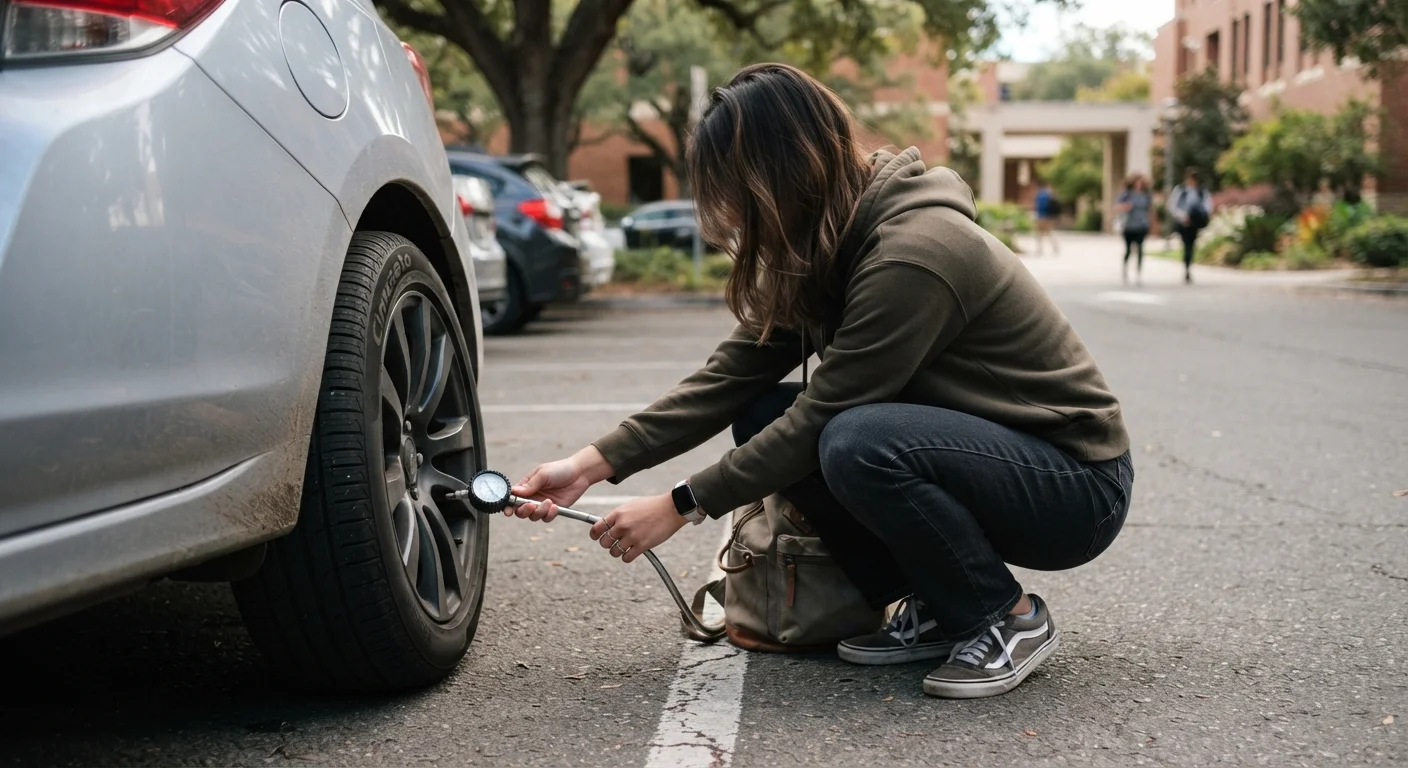
Neglecting tyre pressure checks.
Why it happens: Tyres lose pressure gradually, so the change is rarely obvious by eye. New drivers often assume that if a tyre looks inflated, it is fine.
Skipping or delaying oil changes.
Why it happens: Oil changes feel like an optional expense when money is tight and the car seems to be running normally. Without a visible symptom, it is easy to push the service interval back indefinitely.
Ignoring warning lights on the dashboard.
Why it happens: Dashboard symbols can feel cryptic and slightly alarming, which leads some drivers to hope the light will go off on its own - or to assume it is a minor sensor glitch.
Never checking engine coolant or brake fluid levels.
Why it happens: Fluids other than fuel and windscreen washer are rarely discussed in early driver education, so many beginners are simply unaware they need monitoring.
Assuming manufacturer-scheduled servicing is optional.
Why it happens: Servicing feels expensive upfront, and when a car is running without obvious faults, skipping a service can seem like sensible saving.
Building Habits That Keep Your Car (and Budget) Healthy
The thread connecting almost every mistake above is the same: car care feels invisible until something goes wrong. Building a simple monthly check into your routine - tyres, fluids, warning lights - takes under ten minutes and catches most problems before they escalate. A pre-journey checklist is a practical starting point for making these checks automatic.
Do Not Delay Acting on Warning Lights
A warning light that appears and then disappears has not necessarily resolved itself - the underlying issue may still be present. Continuing to drive without investigation risks turning a minor fault into a costly breakdown. If you are unsure what a light means, stop somewhere safe and check your owner's manual before continuing your journey.
If you ever spot an unfamiliar symbol on your dashboard, do not dismiss it. Understanding what dashboard warning lights mean can be the difference between a minor fix and a major repair. Similarly, if you are buying a used car, reading the service history correctly will tell you a great deal about how well previous owners looked after it.
Good car care is not about being an expert mechanic - it is about paying enough attention to notice when something changes, and acting on it before it worsens. For students commuting on campus, these habits also directly support safer daily driving. See our campus commuting hub for more practical guidance tailored to student drivers.
This article is for general informational purposes only. Always consult a qualified mechanic for diagnosis, repairs, or safety concerns specific to your vehicle.
The content provided on our blog site traverses numerous categories, offering readers valuable and practical information. Readers can use the editorial team’s research and data to gain more insights into their topics of interest. However, they are requested not to treat the articles as conclusive. The website team cannot be held responsible for differences in data or inaccuracies found across other platforms. Please also note that the site might also miss out on various schemes and offers available that the readers may find more beneficial than the ones we cover.