

Start here
What Daily Costs Actually Look Like
Next
Getting Around the Region
Then
Where to Sleep Without Wrecking Your Budget
Watch out for
Costs Students Consistently Underestimate
Before you book
Setting Realistic Expectations Before You Go
What Daily Costs Actually Look Like
Southeast Asia has a reputation for being cheap, and in relative terms that's fair — but "cheap" covers a wide spectrum. A student on a tight budget in Chiang Mai is living a very different financial reality than someone splurging on island resorts in Thailand's south.
Here's a rough country-level breakdown for students staying in dorm rooms and eating mostly local food:
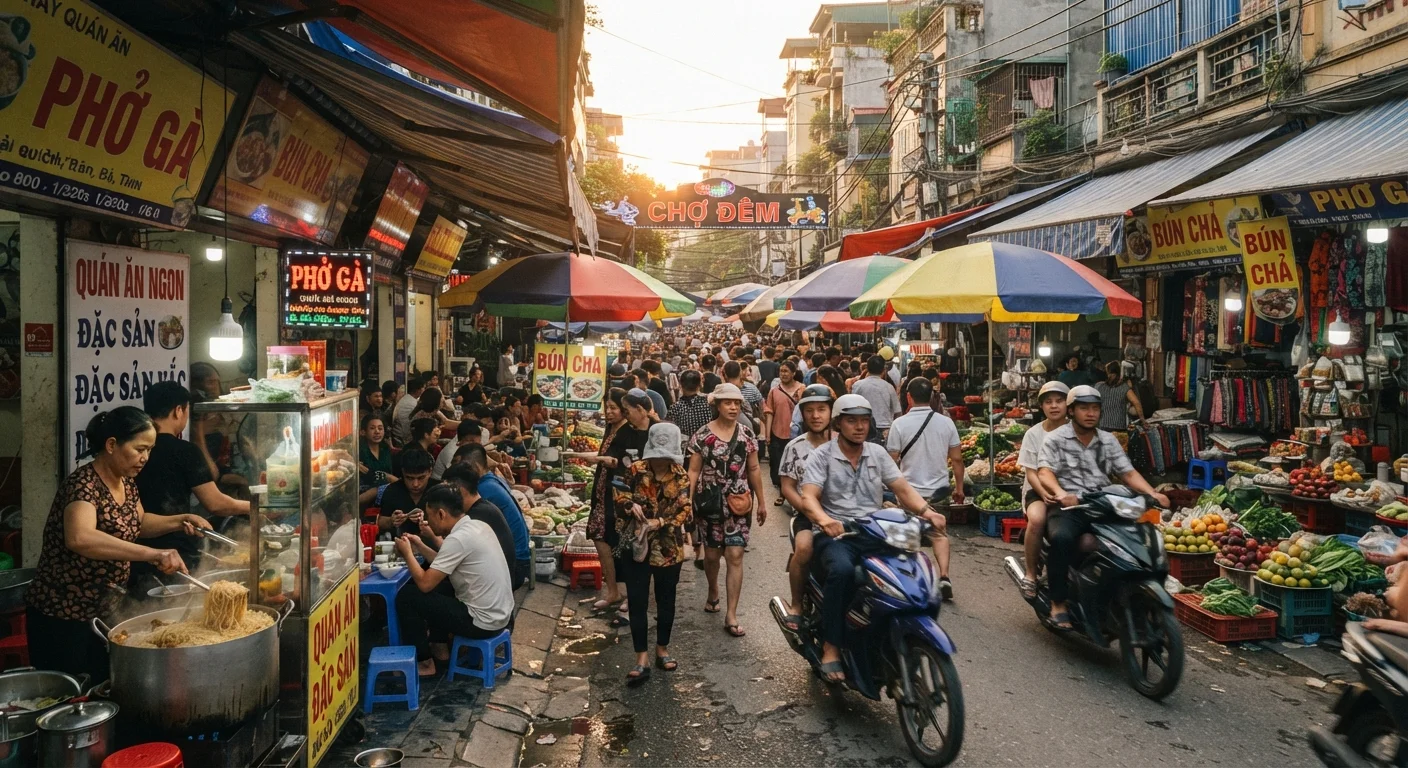
- Vietnam: Roughly $20–$35/day in cities like Hanoi or Ho Chi Minh City. Street pho runs about $1–$2; a dorm bed in a reputable hostel can fall between $6–$12.
- Cambodia: Similar range to Vietnam, around $25–$40/day. Siem Reap (near Angkor Wat) tends to be slightly pricier due to tourism demand.
- Thailand: Budget-conscious travelers in Chiang Mai or less-touristy areas can manage $30–$50/day. Bangkok and popular southern islands push that figure higher, especially for accommodation.
- Indonesia (Bali): Widely varies — $30–$60/day is realistic once you account for tourist-area pricing.
For a broader regional comparison, see our region-by-region budget travel reference that breaks down typical daily costs across popular student destinations.
Daily budget
The total amount you expect to spend in a single day of travel, typically covering accommodation, food, local transport, and small incidentals — but not international flights or visa fees.
Overland travel
Moving between destinations by ground transport — buses, trains, or shared vans — rather than flying. Often cheaper and slower than air travel.
Dorm bed
A single bed in a shared room at a hostel, typically with 4–12 beds per room. The most affordable accommodation option for solo travelers.
Visa on arrival
An entry permit issued at the border or airport when you arrive, rather than obtained in advance at an embassy. Availability and cost depend on your nationality and the destination country.
Travel insurance
A policy that can cover medical emergencies, trip cancellations, lost luggage, and other unexpected costs while traveling abroad. Requirements and coverage vary by policy.
Budget airline
A lower-cost carrier that reduces fares by charging separately for extras like checked bags, seat selection, and meals. Common for short regional flights in Southeast Asia.
Getting Around the Region
Internal transport is where Southeast Asia genuinely shines for budget travelers. Budget airlines connect major cities across the region at surprisingly low fares when booked weeks in advance. Overland buses — including overnight sleeper coaches — are often even cheaper and cover routes that flights don't.
A few realities to plan around:
- Airport transfers are a hidden cost. Many budget airline hubs are far from city centers. A cheap flight can be partially offset by a $15–$25 taxi or shuttle into town. Research this before booking.
- Grab (the regional ride-hailing app) is your friend in cities. It removes fare negotiation stress and generally offers transparent pricing in Thailand, Vietnam, Malaysia, and several other countries.
- Overnight buses and trains save accommodation costs. A well-timed overnight journey means you're traveling while you sleep — one less night of hostel fees.
- Motorbike taxis are cheap but require judgment. Common in cities, they're affordable but carry obvious safety considerations. Helmet use is non-negotiable.
The student travel hacks hub has additional tips on booking regional transport without overpaying.
Where to Sleep Without Wrecking Your Budget
Accommodation is typically your largest daily expense, so getting this right matters. Hostel dorm beds remain the most cost-effective option and are widely available across the region's main backpacker routes.
What to look for in a dorm:
- Individual power outlets and reading lights at each bed
- Secure lockers (bring a padlock)
- Air conditioning — important in tropical climates where heat affects sleep quality
- Verified reviews on established booking platforms, not just the hostel's own website
Private guesthouse rooms start to become financially comparable to dorms once you're traveling as a pair. Two people splitting a $20 private room often beats paying $12 each for separate dorm beds.
Book Your First Night Early, Rest Flexibly
Confirm accommodation for your very first night in each country before you arrive — especially if landing late. After that initial night, flexibility often lets you find better deals in person. Many hostels offer walk-in rates that match or beat online prices during off-peak periods.
Avoid booking non-refundable accommodation for your first night in any new city until you've confirmed your arrival details — flight delays and border crossing holdups are common enough to matter.
Costs Students Consistently Underestimate
Even experienced budget travelers get caught off guard. The day-to-day costs are manageable, but the one-off and structural costs add up fast. Our companion piece on hidden costs that blow student travel budgets abroad goes deep on this — but here's the short version:
- Visa fees: Some countries charge $25–$50 USD or more for entry, and requirements vary by nationality. Check official embassy sources well ahead of travel.
- Travel insurance: Non-negotiable for international travel. An uninsured medical evacuation in the region can cost tens of thousands of dollars. Budget for this as a fixed cost before anything else.
- ATM fees: Local bank ATMs often charge a per-withdrawal fee of $3–$6, plus your home bank may add its own charges. Withdraw larger amounts less frequently where safe to do so.
- Temple and attraction entry fees: Angkor Wat requires a separate multi-day pass costing $37–$72 USD as of recent pricing. These destination-specific costs need to be researched per stop.
- Laundry and toiletries: Small but real — budget a line item for these rather than hoping they'll be negligible.
Also see costs budget travelers forget to plan for for a structured checklist approach to pre-trip budgeting.
Don't Skip Travel Insurance to Save Money
Travel insurance is the single budget item that students most often cut — and most regret cutting. Medical costs in the event of an accident, illness, or evacuation in Southeast Asia can be financially catastrophic without coverage. Treat it as a fixed, non-negotiable cost and build it into your budget from day one. Consult a licensed insurance provider to understand what a policy actually covers before purchasing.
Setting Realistic Expectations Before You Go
Southeast Asia is genuinely one of the most accessible regions for first-time international student travelers — the infrastructure for budget travel is well-developed, local food is affordable, and English is spoken widely enough in tourist areas to navigate without a language barrier. But the "ultra cheap" framing that circulates online often reflects best-case scenarios, not averages.
A reasonable planning assumption for most students: budget $30–$45/day for in-country costs, then add international flights, travel insurance, and visa fees as fixed upfront costs before you start counting daily spend. That structure prevents the common mistake of booking flights first and only realising later that the trip isn't financially viable.
For a full pre-trip planning framework, the first-time student traveller planning guide walks through budgeting and booking in a logical order. And if you've encountered claims about budget travel that sound too good to be true, budget travel myths students still believe is worth a read before you commit to anything.
This article is for general informational purposes only. Travel costs, visa requirements, entry rules, and safety conditions change frequently. Always verify current information through official government sources and reputable travel advisories before booking or traveling.
Frequently Asked Questions
A realistic daily budget for most of Southeast Asia ranges from roughly $25 to $50 USD, covering a hostel dorm bed, local meals, and some transport. Costs vary significantly by country — Vietnam and Cambodia tend to be less expensive than Thailand's tourist hubs. This estimate excludes international flights and visa fees.
Many parts of Southeast Asia are considered relatively accessible for first-time travelers, with well-established backpacker routes and tourist infrastructure. That said, conditions change, and you should always check your government's official travel advisories before booking. Personal safety practices — like securing valuables and using reputable transport — matter everywhere.
Visa requirements vary by country and change periodically. As of recent policy, US citizens can enter Thailand visa-free for short stays, while Vietnam and Cambodia have their own entry processes. Always verify current requirements directly through official embassy or government websites before you travel — never rely on third-party summaries alone.
Budget airlines operating within the region can make short flights surprisingly affordable when booked in advance. Overland bus and train routes are often even cheaper and let you see more of the landscape. Costs for border crossings and transport vary, so research each specific route rather than assuming all options are uniformly cheap.
Street food is a staple of budget travel in the region and is widely eaten by millions of locals daily. Choosing stalls with high turnover, freshly cooked food, and a visible local customer base generally reduces risk. If you have specific health concerns or dietary restrictions, consult a travel health professional before your trip.
Common overlooked costs include visa fees, travel insurance premiums, airport transfer prices, entry fees for temples and national parks, and ATM withdrawal charges. Our related article on <a href="/travel-on-a-budget/cheap-destinations/the-hidden-costs-that-blow-student-travel-budgets-abroad">hidden costs that blow student travel budgets</a> covers these in detail.
The content provided on our blog site traverses numerous categories, offering readers valuable and practical information. Readers can use the editorial team’s research and data to gain more insights into their topics of interest. However, they are requested not to treat the articles as conclusive. The website team cannot be held responsible for differences in data or inaccuracies found across other platforms. Please also note that the site might also miss out on various schemes and offers available that the readers may find more beneficial than the ones we cover.