

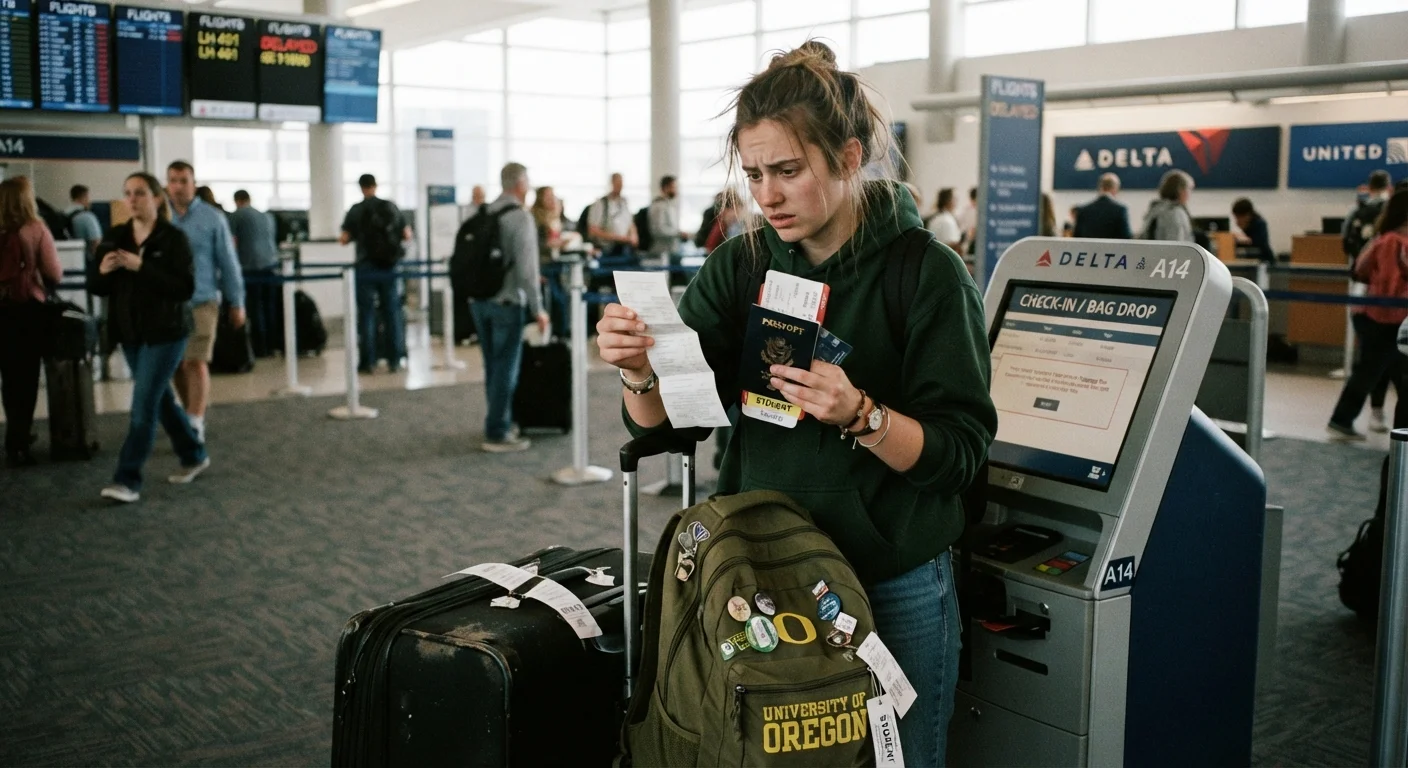
Why Hidden Costs Disproportionately Hit Student Travelers
Budget travel planning tends to focus on the headline numbers: the flight price, the hostel nightly rate, the daily food allowance. But a large share of what actually drains student travel budgets abroad consists of smaller, less visible fees — many of them mandatory, and most of them avoidable with a little upfront research.
These costs are often hidden not because providers are being deceptive, but because they exist outside the booking flow — charged by governments, collected at borders, or buried in card fee schedules. For a first-time student traveller working with a tight budget, even a few unexpected charges can force difficult trade-offs mid-trip.
The good news: virtually all of these costs are predictable. The overlooked travel expenses that catch students off guard are, in most cases, publicly listed and easy to find — you just have to know where to look before you book.
Ignoring visa fees and entry requirements until the last minute.
Why it happens: Students assume a cheap flight means the trip is affordable, without accounting for mandatory government-set fees that apply before they even board.
Overlooking nightly tourist taxes charged by cities or accommodations.
Why it happens: These taxes rarely appear in the headline price shown on booking platforms — they're disclosed in the fine print or collected at check-in, making them easy to miss.
Paying full foreign transaction fees on every card purchase abroad.
Why it happens: Most students use whatever card they already have without checking whether it charges fees for international transactions — which can add up to several percent per purchase.
Budgeting for the destination but not the journey between airports and city centers.
Why it happens: Many budget flights operate from secondary or regional airports located far from city centers, and students assume some form of cheap transit will be available.
Skipping travel insurance to save money upfront.
Why it happens: Insurance feels abstract — students rarely expect emergencies and prioritize visible expenses like food and accommodation over a policy they hope to never use.
Eating and buying drinks inside airports and transport hubs.
Why it happens: Travelers are captive audiences in airports and train stations, and hunger or convenience override price awareness during a long travel day.
How to Audit Your Budget Before You Depart
Once you have a rough itinerary, go through each stage of the trip and ask what fees apply that aren't included in your booking confirmations. Start with entry requirements — visa fees, e-visa processing charges, arrival taxes — then move to accommodation (tourist levies, resort fees), then transport (airport-to-city legs, inter-city ground transport), and finally payment (card fees, ATM charges).
Visa Costs Are Non-Negotiable — Research Early
Many students build a trip budget around flights and accommodation, then discover they owe $50–$200 in visa fees days before departure. Some destinations also require proof of onward travel or minimum bank balances at the border. Always check entry requirements through the official government or embassy website of your destination country — not third-party booking platforms — well before you book anything.
If your university has a study abroad office, that's worth a visit even if you're not going on a formal program. Many campuses have student travel resources that include emergency funds, discounted insurance options, and staff who have current knowledge of visa requirements for popular student destinations.
For a structured pre-trip financial review, a pre-departure money checklist can help you move through each category systematically so nothing falls through the cracks. Being thorough at this stage is what separates students who land with a realistic budget from those scrambling to cover unexpected shortfalls before the first week is out.
~3–5%
Typical foreign transaction fee on standard credit cards
Many US bank cards charge a foreign transaction fee of 1–5% per purchase abroad, according to general consumer finance guidance from the Consumer Financial Protection Bureau.
$30–$60+
Common tourist tax range per stay in popular European cities
Cities including Amsterdam, Barcelona, and Rome each charge nightly tourist levies that are usually paid directly to accommodation providers and not included in booking prices.
This article is for general informational purposes only and does not constitute financial, insurance, or legal advice. Fees, entry requirements, and regulations change frequently — always verify current information through official government and provider sources before you travel.
The content provided on our blog site traverses numerous categories, offering readers valuable and practical information. Readers can use the editorial team’s research and data to gain more insights into their topics of interest. However, they are requested not to treat the articles as conclusive. The website team cannot be held responsible for differences in data or inaccuracies found across other platforms. Please also note that the site might also miss out on various schemes and offers available that the readers may find more beneficial than the ones we cover.