

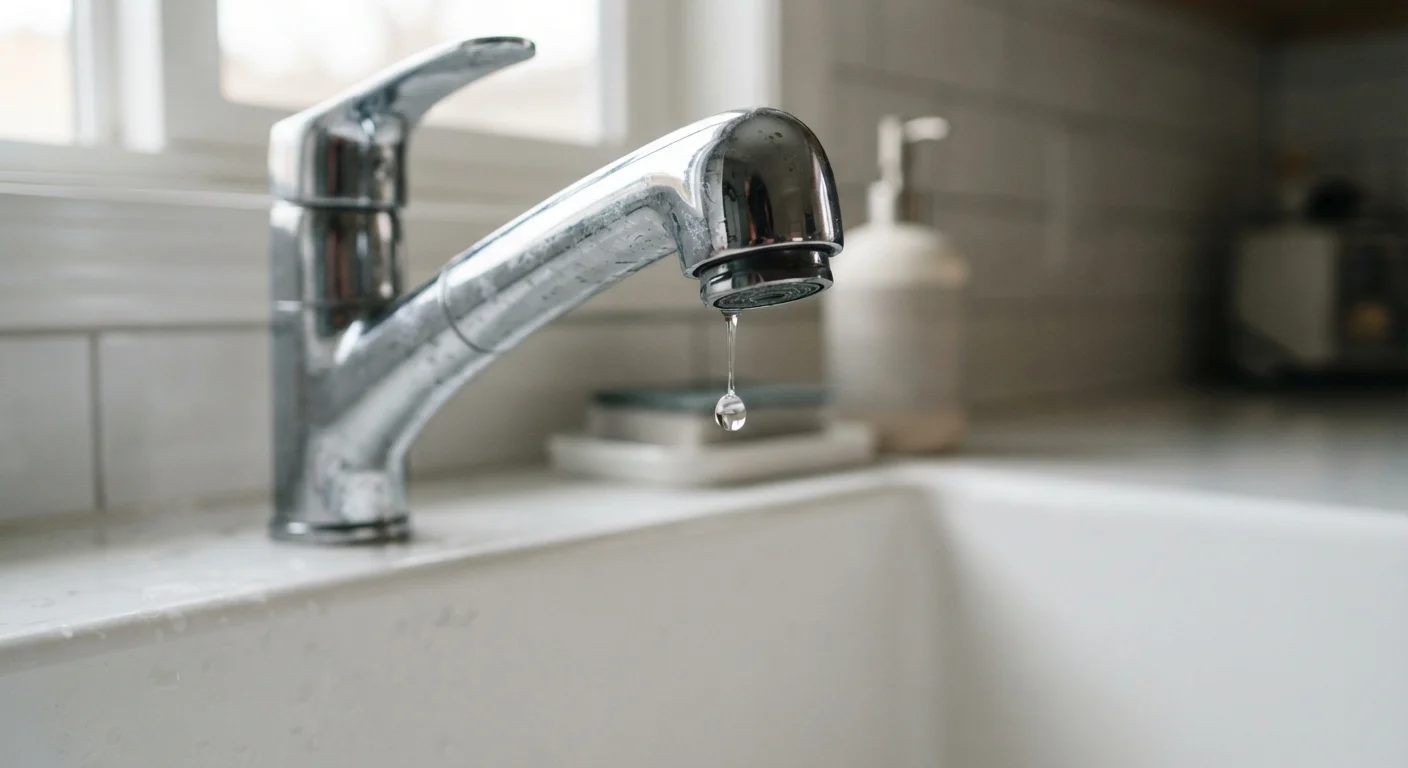
Why a Drip Is Never Just a Drip
It is easy to tune out the rhythmic sound of a dripping tap, especially when life is busy with classes, work, and social commitments. But that persistent drip is doing real, measurable damage — to the water supply, to your utility bill, and potentially to the apartment itself.
The U.S. EPA estimates that household leaks collectively waste nearly 1 trillion gallons of water nationally each year. A single faucet dripping once per second accounts for more than 3,000 gallons annually. If you are on a metered water bill — or if your landlord factors water usage into rent — that waste can translate directly into money lost.
3,000+
Gallons wasted per year by one dripping tap
According to the U.S. Environmental Protection Agency, a faucet dripping once per second wastes this amount annually.
~10%
Of home water use lost to leaks
The EPA estimates that the average household's leaks account for nearly 10 percent of its total water use.
Beyond the water bill, a drip that soaks into the cabinet beneath your sink over weeks or months can lead to warped wood, corroded pipe fittings, and mold growth. What started as a nuisance can quietly become a health and property issue.
What Actually Causes a Faucet to Drip
Understanding the cause helps you describe the problem accurately when you report it — and gives you a sense of whether it is a quick fix or something more involved.
- Worn rubber washer: The most common culprit in older compression-style faucets. Every time you turn the tap off, the washer presses against a metal valve seat. Over time, friction wears it down until it can no longer form a watertight seal.
- Damaged O-ring: A small rubber ring that seals the stem in the faucet handle. When it wears out, water leaks around the handle rather than from the spout.
- Faulty cartridge: Cartridge faucets use a replaceable plastic cartridge to control flow. A cracked or worn cartridge causes drips that a washer replacement cannot fix.
- Corroded valve seat: The valve seat connects the faucet to the spout. Sediment buildup can corrode it, preventing a proper seal even with a new washer.
Identify Your Faucet Type Before Reporting
When you contact your landlord or building manager, mention whether the drip comes from the spout or around the handle — this narrows down the cause. If you can identify the faucet brand or model (often stamped on the body), include that too. The more detail you provide, the faster the repair can be completed.
Knowing which type of faucet you have — compression, cartridge, ball, or ceramic disc — helps a landlord or plumber diagnose the issue faster. You can usually identify the type by the handle style or a quick search using the faucet's brand name if it is visible.
When to Report It and When to Act
As a renter, your default response to plumbing problems should almost always be to report them. Most leases require tenants to notify landlords promptly of maintenance issues, and many state laws require landlords to maintain functional plumbing as a habitability standard.
See our guide to apartment maintenance requests for a clear breakdown of what counts as a landlord's responsibility and how to communicate it effectively. When you do report the issue, put it in writing — email or a maintenance portal — so there is a timestamp and a paper trail. Our article on reporting maintenance issues to your landlord walks through how to document and follow up in a way that protects you.
If your landlord is slow to respond and you are comfortable with very basic tasks, deciding between DIY and waiting for a professional can help you weigh the risks. Replacing a rubber washer in a compression faucet is a task many beginners can handle with a wrench and a hardware store part — but check your lease first, as unauthorized repairs can sometimes create liability.
Check Your Lease Before Any DIY Attempt
Some leases explicitly prohibit tenants from making plumbing repairs, even minor ones. Unauthorized repairs that cause additional damage could make you financially liable. Always read your lease terms and, if in doubt, get your landlord's written permission before attempting any fix yourself.
A dripping tap is not the only plumbing issue that sneaks up on renters. If you notice your toilet running continuously between flushes, that is a separate but equally wasteful problem. Our explainer on what's happening inside a running toilet cistern covers the most common causes and what to do about them.
Frequently Asked Questions
The U.S. Environmental Protection Agency estimates that a faucet dripping once per second wastes more than 3,000 gallons of water per year. That adds up quickly on a shared water bill. The exact amount depends on drip frequency and faucet type.
In most U.S. states, landlords are required to maintain plumbing in working order as part of habitability standards. Report the issue to your landlord in writing so there is a clear record. Check your lease and local tenant rights laws for specifics.
Yes. Even slow drips can saturate cabinet bases, caulk seams, and surrounding surfaces over time, creating conditions where mold can grow. Persistent moisture also weakens wooden cabinetry and can damage finishes.
Place a dry container under the faucet overnight and check how much water has collected. If the drip rate increases noticeably week over week, the internal component is continuing to degrade and the repair becomes more urgent.
Minor adjustments may be acceptable, but replacing washers or cartridges typically requires tools and some plumbing knowledge. Attempting a repair without permission could void lease protections. Report it first; attempt DIY only if your landlord is unresponsive and your lease permits it.
The content provided on our blog site traverses numerous categories, offering readers valuable and practical information. Readers can use the editorial team’s research and data to gain more insights into their topics of interest. However, they are requested not to treat the articles as conclusive. The website team cannot be held responsible for differences in data or inaccuracies found across other platforms. Please also note that the site might also miss out on various schemes and offers available that the readers may find more beneficial than the ones we cover.