

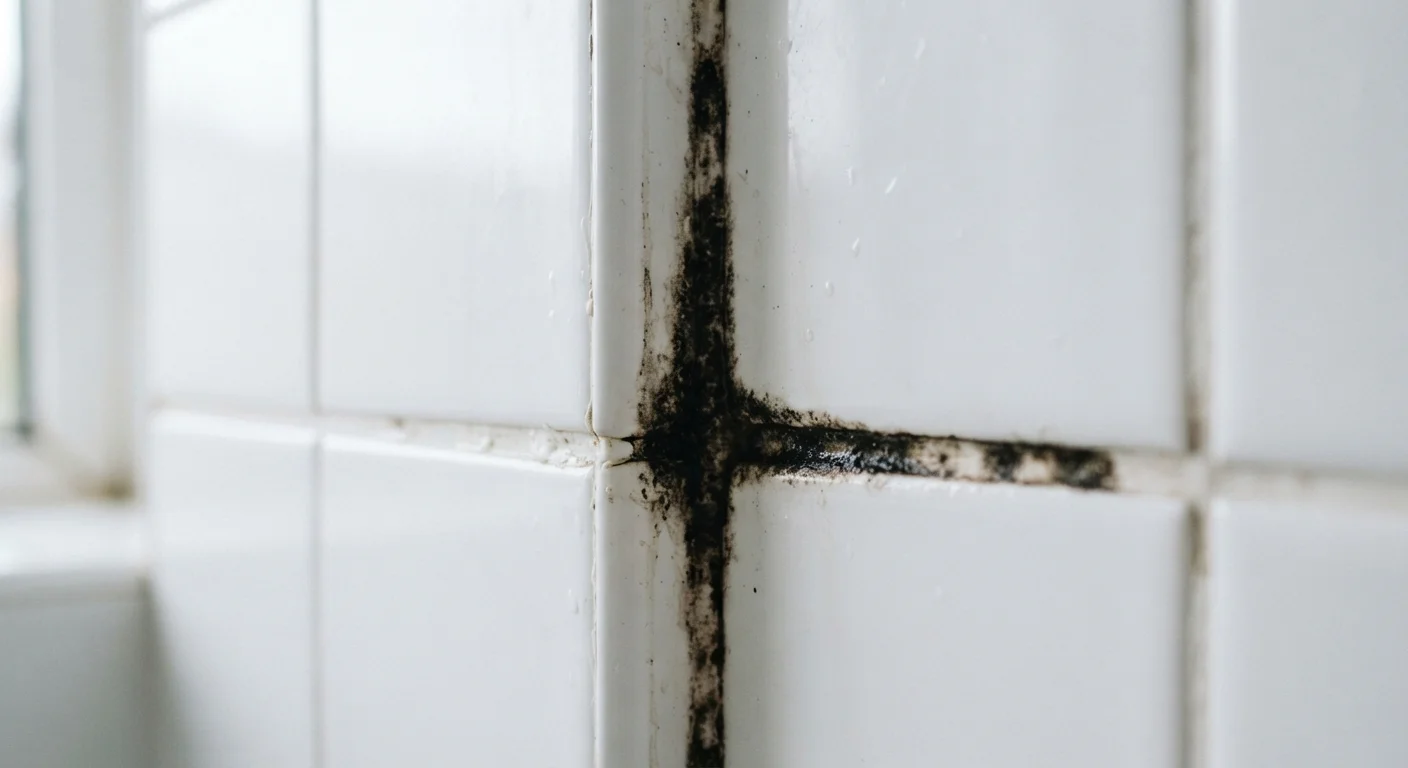
Why Bathrooms Are Mould's Favourite Room
Every time you take a hot shower, you fill the bathroom with warm, moisture-laden air. That moisture has to go somewhere — and if it can't escape quickly, it settles on cool surfaces like tiles, grout, the ceiling, and around window frames. Given enough time and a lack of airflow, mould spores (which are naturally present in the air) find those damp surfaces and begin to grow.
Rental bathrooms are especially vulnerable for a few reasons. Older buildings may have limited or broken extractor fans. Small windowless bathrooms have no natural ventilation at all. And with multiple students sharing one bathroom, moisture accumulates faster than in a single-occupancy home.
Understanding why mould grows is half the battle. To go deeper on the relationship between humidity and damp, see our explainer on ventilation, condensation, and damp.
~50%
Homes with some form of dampness or mould
Research cited by the World Health Organization suggests a significant proportion of homes in developed countries have indoor dampness issues, with bathrooms among the most commonly affected spaces.
15–20 min
Ventilation time recommended after showering
General guidance from housing and environmental health organizations suggests running extractor fans or leaving windows open for at least 15–20 minutes after a shower to adequately reduce humidity.
Surface Mould vs. a Serious Damp Problem
Not all mould is equal. It helps to distinguish between two situations:
- Surface mould appears on grout lines, silicone caulk around the tub, or the bottom of the shower curtain. It's usually black or dark grey, stays close to water sources, and responds to cleaning. This is the most common type in student bathrooms.
- Structural or penetrating damp causes mould to spread across large wall areas, appear on the ceiling in patches, or return rapidly after cleaning. The wall may feel soft or damp to the touch. This signals a deeper moisture problem — a leak, failed waterproofing, or rising damp — that goes beyond normal condensation.
If the mould in your bathroom covers an area larger than roughly a square foot, keeps coming back within days of cleaning, or appears on multiple surfaces, treat it as a maintenance issue that needs to be reported. For unfamiliar terminology like "rising damp" or "penetrating damp," our maintenance terms reference guide explains these in plain English.
Mould and Health: A General Note
Exposure to mould can aggravate respiratory conditions like asthma or allergies in some people, though individual sensitivity varies widely. This article is general information, not medical advice. If you are experiencing health symptoms you associate with mould in your home, speak with a qualified healthcare professional. Do not delay seeking care while waiting for a maintenance issue to be resolved.
How to Respond: A Practical Order of Steps
When you spot mould, the right response depends on its scale and cause.
- Document it first. Take clear, dated photos before touching anything. This protects you if there is later a dispute about when the problem started or how large it was.
- For small surface patches: Clean using rubber gloves, eye protection, and a face mask. A diluted bleach solution (roughly one part bleach to ten parts water) or a purpose-made mould-removal spray can be effective on non-porous surfaces like tiles. Open windows and let the area dry fully afterward.
- Improve ventilation immediately. Run the extractor fan during every shower and for at least 15–20 minutes afterward. Leave the bathroom door open when it's not in use to encourage airflow.
- Report anything beyond surface mould. If the problem is widespread, structural, or caused by a leak or faulty extractor fan, that is your landlord's domain. Put your report in writing. Our guide on what to report and how can help you identify what qualifies as a landlord issue.
Always Report Mould in Writing
Verbal reports are easy to forget or dispute. Send your maintenance report by email so there's a timestamped record of when you flagged the problem. Include photos as attachments. This protects your deposit and establishes a clear timeline if the issue is not addressed promptly. See how to report maintenance issues effectively for a full walkthrough.
Prevention: The Habits That Actually Work
Once you've dealt with existing mould, the goal is to stop it returning. The good news is that the most effective prevention habits take almost no time.
- Ventilate every shower. Use the extractor fan or open a window during and after every shower — even in winter.
- Wipe down surfaces. A quick wipe of tile walls and the shower curtain after bathing dramatically reduces the moisture available for mould to grow on.
- Hang towels to dry outside the bathroom where possible, or spread them open so they dry faster.
- Don't ignore small patches. A tiny bit of grout mould cleaned early takes two minutes. Left for a semester, it becomes a landlord conversation.
These small, consistent habits are part of a broader approach to keeping your rental in good shape. For more practical routines, see habits that prevent common rental maintenance problems.
Frequently Asked Questions
Small amounts of surface mould caused by everyday condensation are often considered the tenant's responsibility to manage through ventilation and basic cleaning. However, mould caused by structural damp, leaks, or inadequate ventilation systems is generally the landlord's responsibility. When in doubt, document and report it.
Most bathroom mould is a nuisance rather than an immediate health crisis, but no mould should be ignored. If you notice persistent respiratory symptoms, a strong musty odor, or mould covering large areas, seek advice from a healthcare professional and report the issue to your landlord promptly.
Small patches of surface mould on tiles or caulk can often be cleaned with a diluted bleach solution or a mould-specific bathroom cleaner using gloves and a mask. Do not attempt to clean large infestations, or mould that has penetrated drywall or structural surfaces — that requires professional remediation.
If surface cleaning removes mould but it returns quickly, the underlying moisture source has not been addressed. This could be poor ventilation, a hidden leak, or penetrating damp. Fixing the root cause — not just the visible mould — is what stops recurrence.
Take dated photographs clearly showing the affected area and its size. Note when you first noticed it and whether it has grown. Send your report in writing — email is ideal — so there is a clear record. See our guide on <a href="/student-living/home-maintenance-101/reporting-maintenance-issues-to-your-landlord-getting-it-right">reporting maintenance issues properly</a> for a step-by-step approach.
Yes — consistently ventilating your bathroom during and after showers is one of the most effective ways to reduce humidity and discourage mould growth. Even a few minutes with a window open or an extractor fan running can significantly lower moisture levels in the air.
The content provided on our blog site traverses numerous categories, offering readers valuable and practical information. Readers can use the editorial team’s research and data to gain more insights into their topics of interest. However, they are requested not to treat the articles as conclusive. The website team cannot be held responsible for differences in data or inaccuracies found across other platforms. Please also note that the site might also miss out on various schemes and offers available that the readers may find more beneficial than the ones we cover.