

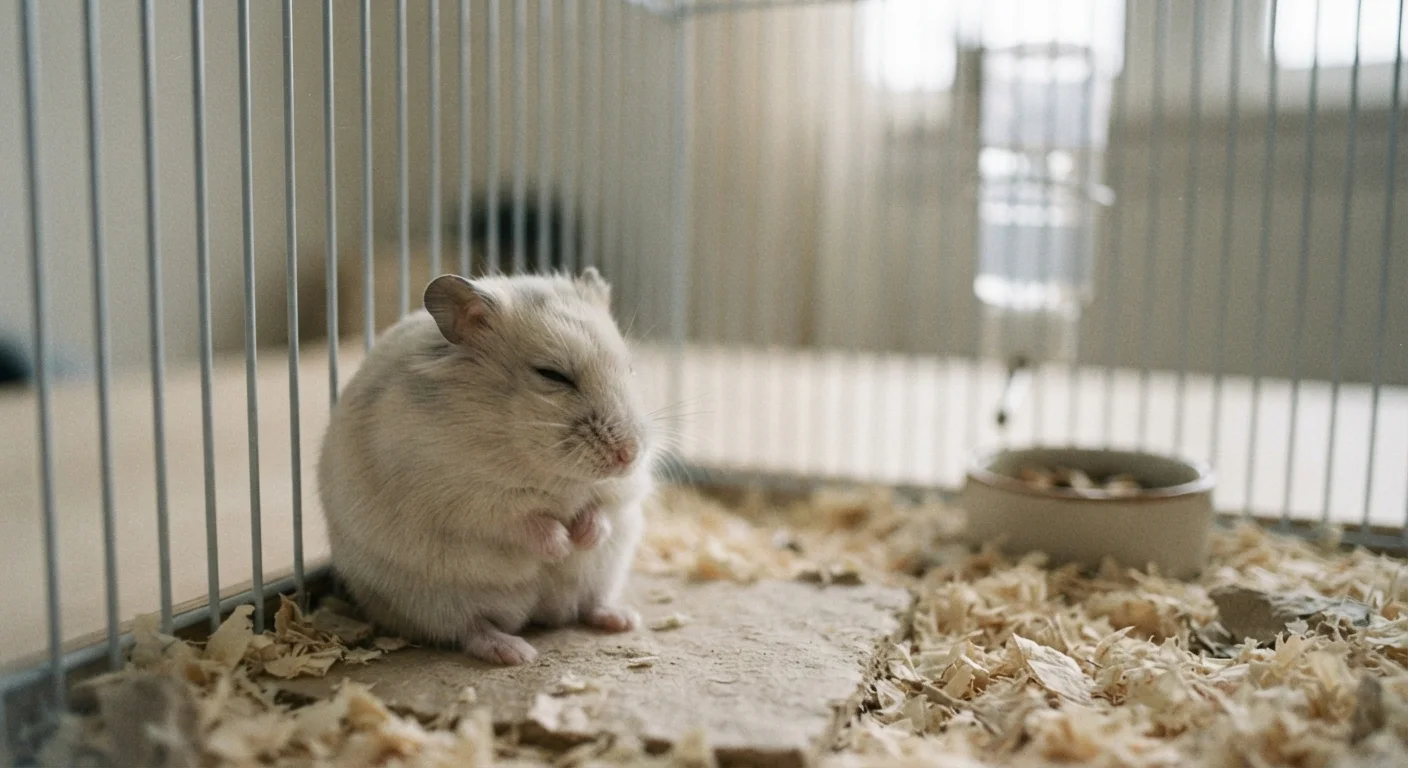
Why Behaviour Is Your Pet's Primary Language
Unlike people, pets cannot describe pain or discomfort in words. Instead, they communicate almost entirely through behaviour. A fish that lingers near the surface, a hamster that stops using its wheel, a guinea pig that refuses its favourite vegetables - these aren't quirks to ignore. They're signals worth taking seriously.
For student pet owners juggling classes, part-time jobs, and social commitments, it's easy to miss gradual changes or dismiss them as temporary. But because animals often mask discomfort instinctively, by the time a problem is obvious, it may already be advanced. That's why recognising behavioural shifts early matters so much. See our guide to early warning signs of illness for a breakdown by common pet species.
Common Mistakes That Allow Problems to Go Unnoticed
Most lapses in pet observation aren't caused by indifference - they stem from understandable but avoidable habits. The following mistakes are among the most frequent that student owners make when it comes to reading their pet's behaviour.
Attributing behavioural changes to stress without ruling out illness first.
Why it happens: Students often assume that a quiet or withdrawn pet is reacting to a change in environment - a new roommate, louder surroundings, or an irregular schedule - rather than experiencing a physical health problem.
Not establishing what 'normal' looks like for your individual pet.
Why it happens: First-time owners often lack a baseline. Without knowing how active, vocal, or social their pet typically is, they have no reference point for recognising change.
Ignoring reduced appetite as 'just a phase.'
Why it happens: Appetite fluctuations seem minor and are sometimes temporary. Owners may wait several days before becoming concerned, not realising that some small animals can deteriorate quickly without adequate nutrition.
Assuming a hiding or inactive pet is simply sleeping.
Why it happens: Many small pets are naturally reclusive, making it easy to rationalise extended hiding or stillness. Owners may go days without seeing their pet move or interact.
Overlooking physical cues that accompany behavioural changes.
Why it happens: Students focused on behaviour sometimes miss accompanying physical signs - dull eyes, changes in coat or skin condition, unusual posture, or irregular breathing - that together paint a clearer picture.
Don't Wait and See With Small Animals
Small pets like hamsters, birds, and fish have limited physiological reserves. What appears to be a minor behavioural dip can reflect a serious underlying condition. These animals often mask illness until it is advanced - a survival instinct that can work against timely care. When in doubt, contact a veterinarian sooner rather than later.
If you're unsure whether your pet's behaviour is within normal range, consult a veterinarian rather than waiting to see if things improve on their own. Early intervention is almost always less costly and less stressful than treating a condition that has worsened over time. See Veterinary Care 101 to understand when a visit cannot wait.
Building Observation Into Your Daily Routine
You don't need hours of free time to stay attuned to your pet's health. Most experienced owners develop a quick mental checklist during routine feeding or cleaning: Is my pet eating? Is it moving normally? Does anything look or smell different today?
Establishing this habit early pays off significantly. When you know what's normal for your specific animal - its typical sleep schedule, activity level, appetite, and social responsiveness - deviations become immediately noticeable rather than easy to explain away. Consistency in your own routine also helps your pet maintain stability, which matters more than many students realise. Keeping a dorm pet healthy during busy academic periods covers the core habits that make this sustainable even during exam season.
If you're new to pet ownership or suspect you may have already been making some of these errors, common missteps among first-time student pet owners is worth reading alongside this article.
This article is for general informational purposes only and does not constitute veterinary advice. Always consult a qualified veterinarian for concerns about your pet's health.
The content provided on our blog site traverses numerous categories, offering readers valuable and practical information. Readers can use the editorial team’s research and data to gain more insights into their topics of interest. However, they are requested not to treat the articles as conclusive. The website team cannot be held responsible for differences in data or inaccuracies found across other platforms. Please also note that the site might also miss out on various schemes and offers available that the readers may find more beneficial than the ones we cover.