

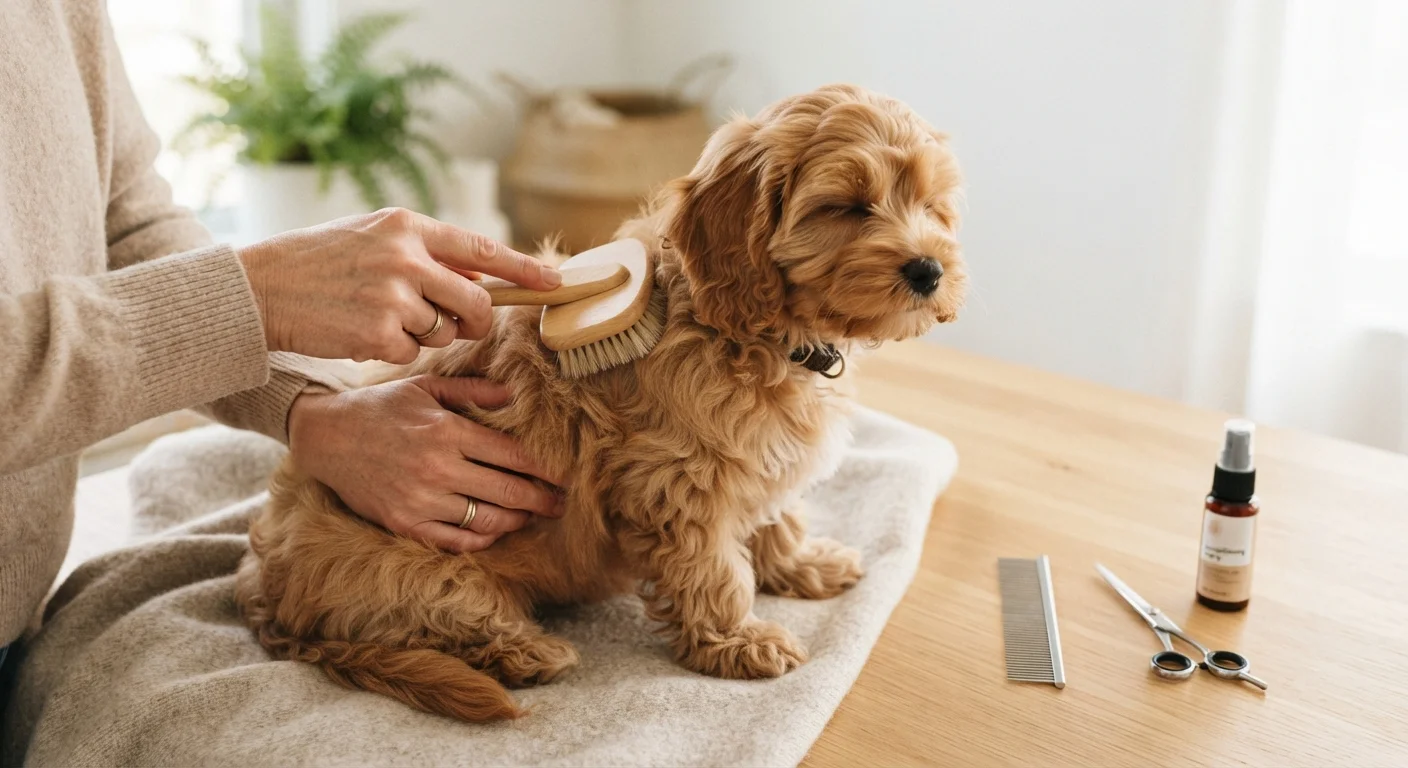
Why Grooming Matters More Than You Might Think
Grooming isn't just about appearances. For pets, regular grooming is a form of preventive healthcare. It gives you the opportunity to spot early warning signs - skin irritation, unusual lumps, ear discharge, or nail problems - before they escalate into costly vet visits. As a student, staying ahead of these issues can make pet ownership significantly more manageable.
If you're still weighing whether a pet fits your current lifestyle, this honest overview of college pet ownership covers the full picture before you commit. And once you've brought a pet home, building grooming into a daily routine around your class schedule is easier than most students expect.
Before you begin, make sure you have the right supplies on hand and understand what your specific pet requires.
What you will need
Slicker brush or deshedding comb
Removes loose fur, prevents mats, and distributes natural skin oils through the coat.
Pet nail clippers or grinder
Trims nails to a safe length to prevent overgrowth and discomfort.
Pet-safe ear cleaner and cotton balls
Gently cleans the outer ear canal to reduce debris and prevent infections.
Pet toothbrush and pet-formulated toothpaste
Removes plaque buildup and supports long-term dental health.
Styptic powder
Stops minor bleeding quickly if a nail is accidentally cut too short.
Pet-safe shampoo
Cleanses the coat during baths without stripping protective skin oils.
Step-by-Step Grooming Routine
The steps below apply broadly to common student pets - dogs, cats, and small mammals. Grooming needs vary by species and individual animal, so always tailor frequency and technique to your pet. When you're unsure about any step, your veterinarian is the right resource.
Make Grooming a Positive Experience
Introduce grooming gradually and pair each session with calm praise or a treat your pet enjoys. Short, frequent sessions are generally more effective than infrequent marathon grooming attempts. Starting early builds tolerance and keeps grooming stress-free for both of you.
Brush the coat regularly
Brushing frequency depends on your pet's coat type. Short-haired cats and dogs generally need brushing once or twice a week, while long-haired breeds may need daily attention. Small mammals like guinea pigs with long coats also benefit from regular brushing.
Use a slicker brush or breed-appropriate comb and work in the direction of hair growth. Check for mats, tangles, parasites, or unusual lumps while you brush - catching these early can prevent bigger problems.
Trim nails on schedule
For most dogs and cats, nails should be trimmed every three to four weeks. If you hear clicking on hard floors, that's a sign they've grown too long. Use clippers designed for your pet's size - cat clippers differ from those suited to large dogs.
Clip only the clear tip of the nail, well above the pink quick (the blood vessel inside the nail). Cutting into the quick causes pain and bleeding. If your pet has dark nails and the quick is hard to see, trim very small amounts at a time.
Check and clean ears
Look inside your pet's ears weekly for redness, excess wax, dark debris, or unusual odor. Healthy ears appear light pink with minimal buildup. To clean, apply a vet-approved ear cleaning solution to a cotton ball and gently wipe the visible outer ear - never insert anything into the ear canal.
Dogs with floppy ears (like beagles or spaniels) are more prone to moisture buildup and infections. Small mammals like rabbits also need periodic ear checks.
Brush teeth several times a week
Dental disease is one of the most common health problems in cats and dogs, yet teeth cleaning is frequently skipped. Use a small pet toothbrush and toothpaste formulated for animals - human toothpaste contains ingredients that can be harmful to pets.
Start by letting your pet sniff and lick the toothpaste before introducing the brush. Gradually work up to gentle circular motions along the gum line. Even 30-second sessions several times a week make a measurable difference over time.
Bathe only as needed
Most dogs benefit from a bath every four to six weeks, though this varies by coat type and lifestyle. Cats typically groom themselves effectively and rarely need baths unless advised by a vet. Small mammals like hamsters and gerbils should generally not be bathed in water at all.
Use lukewarm water and a pet-safe shampoo. Rinse thoroughly - residue left in the coat can irritate skin. Dry your pet fully, especially in cooler environments, to prevent chilling.
Always Consult a Vet for Health Concerns
Grooming is a care practice, not a substitute for veterinary attention. If you notice unusual discharge, foul odors, skin lesions, or behavioral changes during grooming, consult a licensed veterinarian. This article provides general educational guidance only and is not veterinary advice.
For a deeper look at what routine vet care involves and when a grooming issue warrants professional attention, see Veterinary Care 101.
Common Grooming Pitfalls for New Pet Owners
New pet owners most often struggle with consistency. Grooming sessions get skipped during exam season and then feel overwhelming when problems compound. The key is to build small habits - a two-minute brushing session or a quick ear check takes far less time than treating an infection or dealing with severely matted fur.
Never Use Human Products on Pets
Human shampoos, toothpastes, and ear-cleaning solutions can be toxic or harmful to animals. Always use products specifically formulated for your pet's species. When in doubt, ask your veterinarian what they recommend for your individual animal.
Another frequent issue is using the wrong tools or products. Always match tools to your pet's coat type and body size. A deshedding rake designed for a large dog, for example, is inappropriate for a small rabbit.
For a broader look at mistakes student pet owners commonly make - including grooming-related ones - this guide to common first-time pitfalls is worth reading. You can also find complementary guidance in keeping a dorm pet healthy during a busy semester.
This article is for general educational purposes only and does not constitute veterinary advice. Always consult a licensed veterinarian for guidance specific to your pet's health and needs.
The content provided on our blog site traverses numerous categories, offering readers valuable and practical information. Readers can use the editorial team’s research and data to gain more insights into their topics of interest. However, they are requested not to treat the articles as conclusive. The website team cannot be held responsible for differences in data or inaccuracies found across other platforms. Please also note that the site might also miss out on various schemes and offers available that the readers may find more beneficial than the ones we cover.