

Where Student Discounts Actually Apply
Student pricing isn't limited to movie theaters and software subscriptions. When you're traveling, meaningful reductions are available across several categories — if you know where to look.
Public Transit and Rail
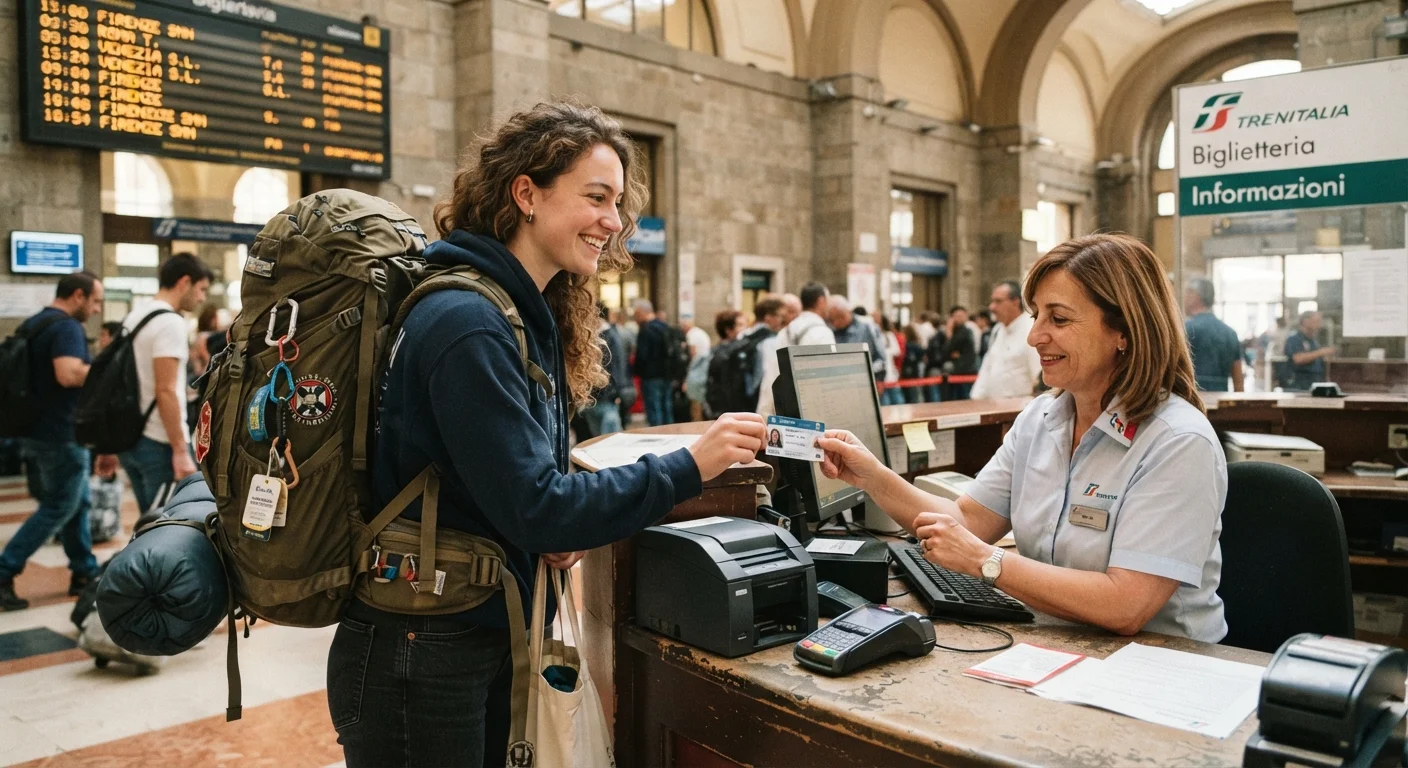
Transit networks in many cities offer student or youth discount cards that reduce fares on buses, metro systems, and regional trains. In Europe, national rail operators often have student or youth fares that apply to specific ticket types. For cross-border rail travel, see our guide to European rail passes for students to understand when a pass makes financial sense and when it doesn't.
Museums, Galleries, and Historic Sites
This is where student discounts are most consistently available. State-run museums in many countries either reduce admission significantly or waive it entirely for students with valid ID. Major galleries in cities like London, Paris, Rome, and Washington D.C. all have formalized student pricing — though terms differ by institution.
Accommodation
Hostels are the obvious choice, but student discounts go beyond that. Some hostel networks offer additional reductions with an ISIC card or student ID. Certain university towns also have budget lodging affiliated with academic institutions that prioritize student guests.
Tours and Activities
Walking tours, guided excursions, and entry to cultural experiences often include student pricing that isn't prominently advertised. Asking directly at the point of purchase is frequently all it takes.
130+
Countries where ISIC cards are accepted
According to ISIC, their internationally recognized student card is accepted at over 150,000 locations across more than 130 countries.
~50%
Common maximum museum discount for students
Many state-run European museums offer student reductions of up to 50% off standard adult admission, with some offering free entry entirely.
1 in 3
Students unaware of available travel discounts
Surveys by student travel organizations have consistently found that a significant share of students don't investigate discount eligibility before purchasing travel tickets or attraction passes.
Which ID to Carry and When
The right credentials determine whether you can actually claim a discount — and the wrong ones will get turned away at the gate.
Your College-Issued Student ID
For travel within the United States, your university ID is usually accepted without question. It typically includes your photo, institution name, and sometimes an expiration date. If yours doesn't show an expiry date, carry an enrollment verification letter as backup — some venues require proof that your enrollment is current.
International Student Identity Card (ISIC)
The ISIC card is the globally recognized standard for student identification outside your home country. It's accepted at over 150,000 locations across more than 130 countries. The card requires proof of enrollment and has a modest fee, but the savings on even a single international trip can offset the cost. It also comes with some built-in benefits like basic travel assistance services — check current card terms directly with ISIC.
Digital Verification
Some platforms and vendors accept digital student verification through services like UNiDAYS or Student Beans. These are more common for online purchases, but some partner venues in major tourist cities are beginning to accept them in person. Don't rely on digital verification as your only form of ID while traveling internationally.
Carry Physical and Digital ID Copies
Before traveling, photograph your student ID and ISIC card and store copies in a secure cloud folder. If your physical card is lost or stolen abroad, a digital backup can help you make the case for a discount while you arrange a replacement. Some venues will accept digital copies, though others require a physical card — always try.
How to Claim Discounts Without Missing Out
The practical reality is that many student discounts go unclaimed simply because travelers don't ask. Here's how to make sure you're not leaving money on the table.
Research Before You Arrive
Look up the student pricing policies of any museums, transit passes, or attractions you plan to visit before your trip. Note which ID format each requires. This is also a good moment to check whether your destination has specific quirks — some countries offer free entry to students under a certain age, while others require the ISIC specifically. For a broader look at how hidden costs can offset apparent savings, see our piece on hidden travel costs.
Ask, Even When No Discount Is Posted
Unadvertised discounts exist. Hostel front desks, local tour operators, and smaller museums sometimes reduce prices informally for students who ask politely. This is especially common in budget-tourism destinations where competition for student travelers is high.
Use Your Campus Resources
Your student union or campus travel office may have negotiated group rates, discount vouchers, or access to programs not available to the general public. Campus travel resources are underused by most students and worth checking before you book anything independently.
Keep in mind that student discounts are one piece of a larger affordability picture. A destination with generous student pricing may still be expensive overall. Our overview of what makes a destination truly affordable can help you put discount savings in context when planning your trip budget. For more strategies on managing travel money overall, explore our travel money tips hub.
Frequently Asked Questions
Domestically, your college-issued student ID is usually sufficient. For international travel, an International Student Identity Card (ISIC) is more widely accepted and can be obtained through your campus or directly from ISIC-affiliated organizations. Always carry both if possible.
Some airlines offer student fares, but these are less common than discounts at ground-level attractions and transit networks. Student-focused travel agencies sometimes have access to discounted airfare through specific programs. Compare carefully before assuming a student fare is the lowest available option.
Generally yes, as long as you remain enrolled for the upcoming semester. Eligibility is typically based on your active enrollment status, not whether classes are currently in session. Check the expiry date on your student ID or ISIC card to confirm it's still valid.
No — availability, depth of discount, and accepted ID formats vary significantly by country and even by city. Europe, for example, tends to have robust museum and rail discount programs. Always research what's available at your specific destination before you leave.
If you're traveling internationally or visiting multiple paid attractions, the ISIC card often pays for itself quickly. The card itself has a modest annual fee, and the savings across transit, museums, and accommodation can easily exceed that cost on a single trip.
Your campus student union or travel office is a strong starting point — many institutions negotiate local and regional discounts directly. Hostels and tour operators are also frequently willing to offer informal reductions when asked directly at the point of purchase.
The content provided on our blog site traverses numerous categories, offering readers valuable and practical information. Readers can use the editorial team’s research and data to gain more insights into their topics of interest. However, they are requested not to treat the articles as conclusive. The website team cannot be held responsible for differences in data or inaccuracies found across other platforms. Please also note that the site might also miss out on various schemes and offers available that the readers may find more beneficial than the ones we cover.