

Why Good Intentions Aren't Enough
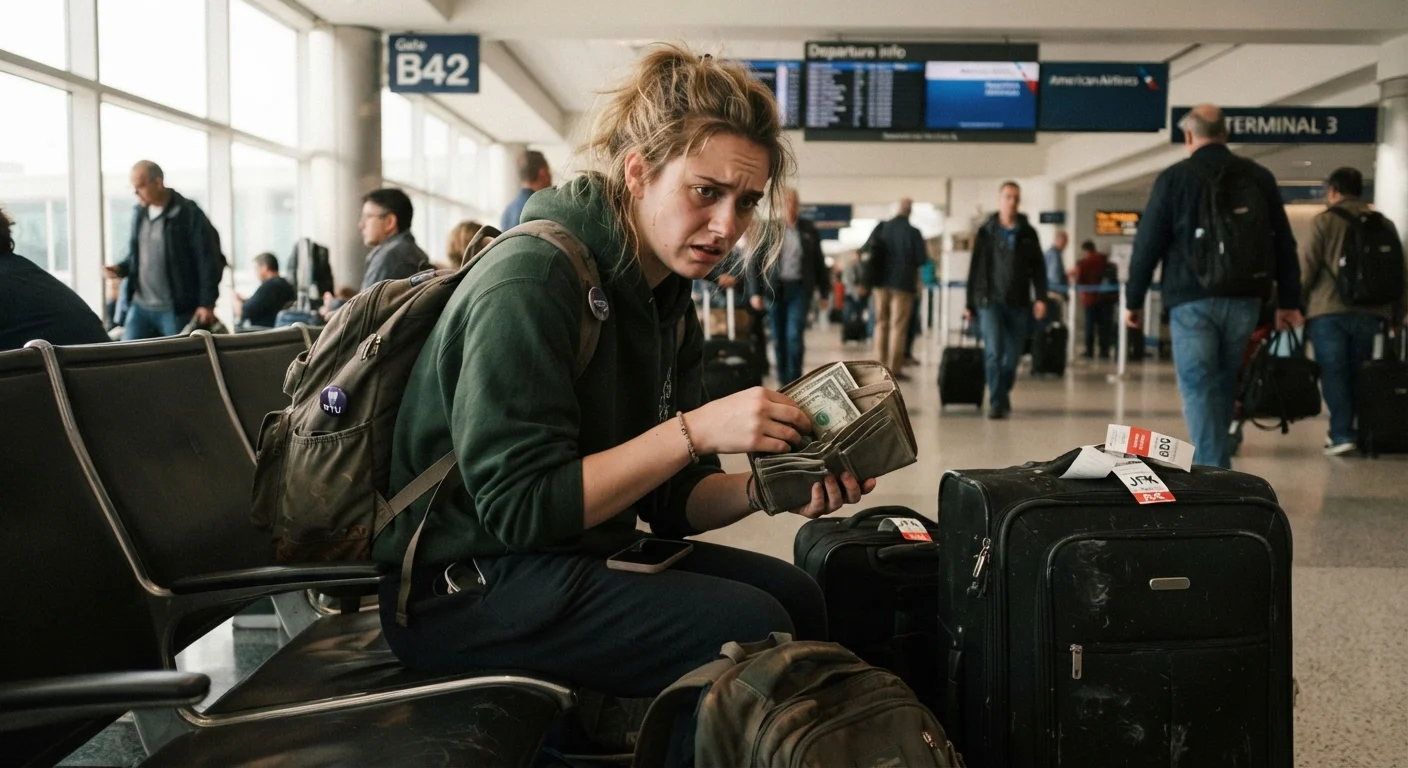
Most students who blow their travel budget didn't make one catastrophic decision. They made dozens of small ones — skipping the math before departure, choosing convenience over cost, and assuming things would work out. Budget drift is almost always cumulative.
The good news: these patterns are predictable, which means they're preventable. Understanding why they happen is more useful than vague advice to "spend less." The mistakes below are the ones that actually derail student travel budgets repeatedly — not edge cases, but common behavior that's easy to correct once you know what to look for.
If your everyday spending habits also tend to slip, it's worth reading why budgets fall apart mid-month — many of the same patterns apply on the road.
Your Budget Needs a Written Plan
Traveling without a written daily spending limit is the fastest route to an empty account. A mental estimate is not a budget — it's a guess. Before you leave, write down expected daily costs by category: accommodation, food, transport, and activities. Review it against your actual bank balance, not your best-case scenario.
The Mistakes That Drain Student Travel Budgets
These aren't rare errors made by careless travelers. They're the default behaviors of most first-time and repeat student travelers — until someone points them out.
Traveling without a written daily budget broken down by category.
Why it happens: Most students estimate a rough total — say, $1,200 for two weeks — and assume that's enough. Without daily category limits, there's no signal when you're drifting over.
Ignoring the costs that fall outside flights and accommodation.
Why it happens: Students often price a trip by its two biggest line items and assume the rest is minor. In practice, entry fees, local transport, SIM cards, and tips regularly add 20–40% on top.
Paying ATM and currency conversion fees on every single transaction.
Why it happens: Most students use whatever debit card they already have and don't research foreign transaction fees before leaving. A 3% foreign transaction fee plus a $5 ATM fee per withdrawal adds up fast across a two-week trip.
Underestimating daily food costs by assuming you'll cook or eat cheap constantly.
Why it happens: Pre-trip optimism leads students to plan every meal at a supermarket. In reality, fatigue, unfamiliar grocery layouts, and social pressure mean far more restaurant meals happen than budgeted.
Not tracking actual spending in real time during the trip.
Why it happens: There's an optimism bias at play — students often avoid checking balances mid-trip because they don't want to confront bad news. By the time they check, the damage is done.
Traveling with no financial buffer for unexpected costs.
Why it happens: Students allocate every dollar to planned expenses, leaving no room for a missed bus, a medical co-pay, or a lost item. When something goes wrong, it goes on a credit card.
Always Decline Dynamic Currency Conversion
When a card machine abroad offers to charge you in your home currency, decline it. This is called dynamic currency conversion (DCC), and it almost always applies a poor exchange rate with a hidden markup. Always choose to pay in the local currency and let your own bank handle the conversion. Merchants and ATMs are not doing you a favor by offering DCC.
Group trips add another layer of financial complexity. If you're splitting costs with friends, agree on the approach before you leave. Unplanned cost-sharing is one of the fastest ways to blow both your budget and the friendship — the cost-splitting guide walks through how to handle it cleanly.
Build the Budget Before You Need It
Fixing a blown budget mid-trip is harder than building a solid one before you go. Once you've identified which of the mistakes above apply to your travel style, the logical next step is constructing a budget that actually accounts for real-world behavior — not ideal-case scenarios.
That means budgeting for the restaurant meal you'll probably eat on day three, the ATM withdrawal on arrival, and the entry fee you'll decide is worth it. Honest budgets hold up. Optimistic ones don't.
For a structured approach to building that plan from scratch, the travel budget guide covers the full process. And if you're still deciding where to go, affordable destinations for student budgets is a practical starting point.
3–5%
Typical foreign transaction fee per purchase
Many standard debit and credit cards charge between 3% and 5% on every international transaction, according to commonly published fee schedules from major U.S. banks.
~20%
Average gap between estimated and actual trip spend
Research on travel spending behavior consistently finds travelers underestimate total trip costs, with the gap often falling in the 15–25% range due to overlooked incidental expenses.
This article is for general informational purposes only and does not constitute financial advice. Always verify fees, exchange rates, and travel conditions with your bank and official sources before traveling.
The content provided on our blog site traverses numerous categories, offering readers valuable and practical information. Readers can use the editorial team’s research and data to gain more insights into their topics of interest. However, they are requested not to treat the articles as conclusive. The website team cannot be held responsible for differences in data or inaccuracies found across other platforms. Please also note that the site might also miss out on various schemes and offers available that the readers may find more beneficial than the ones we cover.