

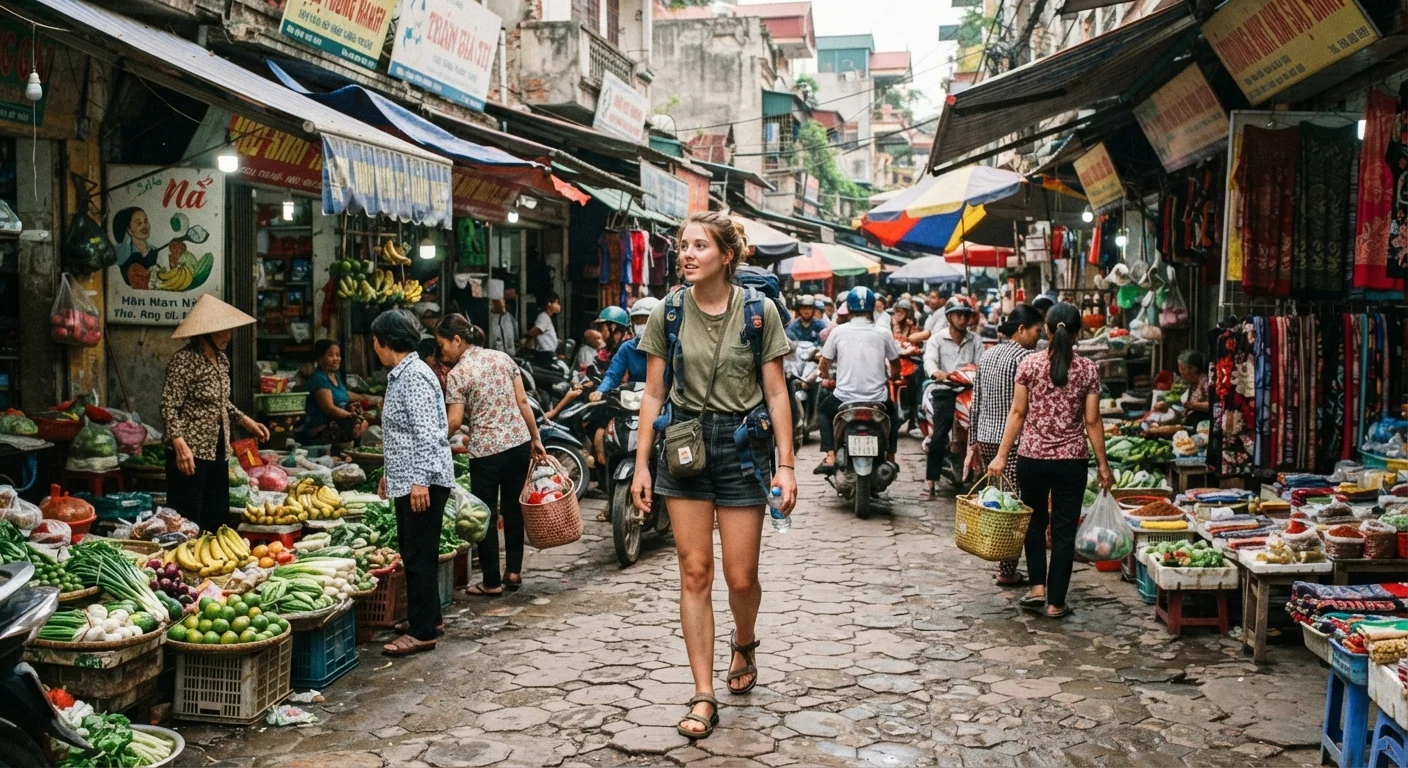
Our Verdict
Ultra-cheap destinations can deliver genuine value for students willing to do serious research upfront and adapt to less predictable conditions. The savings are real — but so are the trade-offs around infrastructure, accessibility, and hidden costs. Going in with clear expectations rather than just a low price tag makes the difference between a trip that works and one that backfires.
Best suited to flexible, experienced student travelers who have researched entry requirements, health precautions, and on-the-ground logistics thoroughly before committing to a booking.
What Makes a Destination 'Ultra-Cheap'?
An ultra-cheap destination is typically one where the local cost of living is substantially lower than in the US — meaning your dollars stretch much further on food, accommodation, transport, and activities. Countries in Southeast Asia, Central America, Eastern Europe, and parts of South Asia frequently fall into this category.
But sticker price isn't the whole story. As our guide on destination affordability explains, a nominally cheap country can become expensive once you factor in visa fees, required vaccinations, and the cost of getting there from a US city. The on-the-ground savings need to outweigh those upfront costs to make the math work.
Understanding what's driving the low prices — currency differences, lower wages, or underdeveloped tourism infrastructure — helps you predict what the experience will actually look like.
The Genuine Advantages
When the numbers do add up, ultra-cheap destinations offer advantages that mid-range and expensive destinations simply can't match on a student budget.
Daily costs can be a fraction of US spending
In many Southeast Asian and Central American countries, a full day of meals, transport, and accommodation can cost less than a single meal out in a US city. This compression of daily spending is the core appeal for students on tight budgets.
Longer trips become financially realistic
When your daily burn rate drops significantly, a two-week trip can cost what a long weekend would in a pricier destination. This gives students more time to actually experience a place rather than rushing through it.
Less crowded, more local experiences
Ultra-cheap destinations often see fewer American tourists, which means less of the commercialized, tourist-track experience. Local food, transportation, and neighborhoods are more accessible and usually more affordable.
Strong incentive to develop real travel skills
Navigating a country with fewer English-language resources, less reliable Wi-Fi, and unfamiliar transit systems builds genuine competence that makes future travel easier and more confident.
$30–$50
Estimated daily budget in Southeast Asia
According to widely cited backpacker budget guides, travelers in countries like Vietnam, Cambodia, and Indonesia commonly report all-in daily costs in this range for budget accommodation, local food, and transport.
3–4x
Cost difference vs. Western Europe
Rough comparisons from traveler communities and cost-of-living indices suggest daily expenses in budget Southeast Asian destinations can be three to four times lower than equivalent spending in countries like France or the UK.
Beyond the money, traveling somewhere with less Western tourist infrastructure often means more authentic interactions with local culture and communities. You're not just visiting a destination that's been optimized for foreign visitors — you're seeing how people actually live, eat, and get around.
The Real Trade-Offs You Should Know
The disadvantages of ultra-cheap destinations aren't dealbreakers for every traveler — but they're worth taking seriously, especially if this is one of your first international trips.
Healthcare infrastructure may be limited
In many low-cost countries, access to English-speaking doctors, modern hospitals, or pharmacy chains is inconsistent outside major cities. A minor illness or injury that would be easily handled at home can become a stressful and costly situation abroad.
Getting there can be expensive and time-consuming
The cheapest destinations are often the farthest from the US, requiring long-haul flights, layovers, or both. A round-trip ticket to Southeast Asia from the US Midwest can cost $800–$1,200 or more, which significantly changes the budget math.
Visa and health requirements add upfront costs
Some low-cost countries require visas, vaccinations, or both before entry. Yellow fever vaccines, malaria prophylaxis, and visa-on-arrival fees can add $100–$300 or more per person before the trip has even started.
Reliable internet and connectivity aren't guaranteed
Students who rely on staying connected for work, coursework, or family communication may find spotty or slow internet frustrating. This matters especially if you're traveling during a semester and need consistent access.
Safety and infrastructure risks vary widely
Lower-cost destinations sometimes correlate with higher rates of petty crime, less reliable transport safety standards, or political instability. These risks are manageable with preparation, but they're real and shouldn't be dismissed.
It's also worth reading through the costs budget travelers forget to plan for before finalizing any budget. Pre-trip expenses like travel insurance, vaccines, and gear can add up quickly and aren't always visible when you're scanning flight prices.
How to Decide If the Trade-Off Is Worth It
The answer depends on three things: your experience level, your flexibility, and how thoroughly you're willing to research before you go.
First-time international travelers may find that a slightly more expensive but better-infrastructure destination — think Portugal, Mexico, or Japan — delivers a smoother introduction to independent travel. If you're already comfortable navigating unfamiliar situations, a lower-cost country with more rough edges might be exactly the kind of challenge you're ready for.
If you're weighing a cheap international trip against staying domestic, our domestic vs. international cost comparison can help you do the actual math. And if you've decided to go abroad, our framework for planning a cheap international trip walks through each planning step in order.
Timing Matters Too
Even in ultra-cheap destinations, peak travel seasons — local holidays, dry-season tourist rushes — can push accommodation prices up significantly and reduce availability. If your schedule is flexible, traveling in shoulder season often preserves more of the budget advantage. See strategies for traveling cheap in peak season for tactics that still work when timing isn't ideal.
Whatever destination you choose, always check entry requirements and travel advisories directly through the U.S. Department of State website before booking. Conditions and requirements change, and no article — including this one — is a substitute for current official guidance.
The content provided on our blog site traverses numerous categories, offering readers valuable and practical information. Readers can use the editorial team’s research and data to gain more insights into their topics of interest. However, they are requested not to treat the articles as conclusive. The website team cannot be held responsible for differences in data or inaccuracies found across other platforms. Please also note that the site might also miss out on various schemes and offers available that the readers may find more beneficial than the ones we cover.