

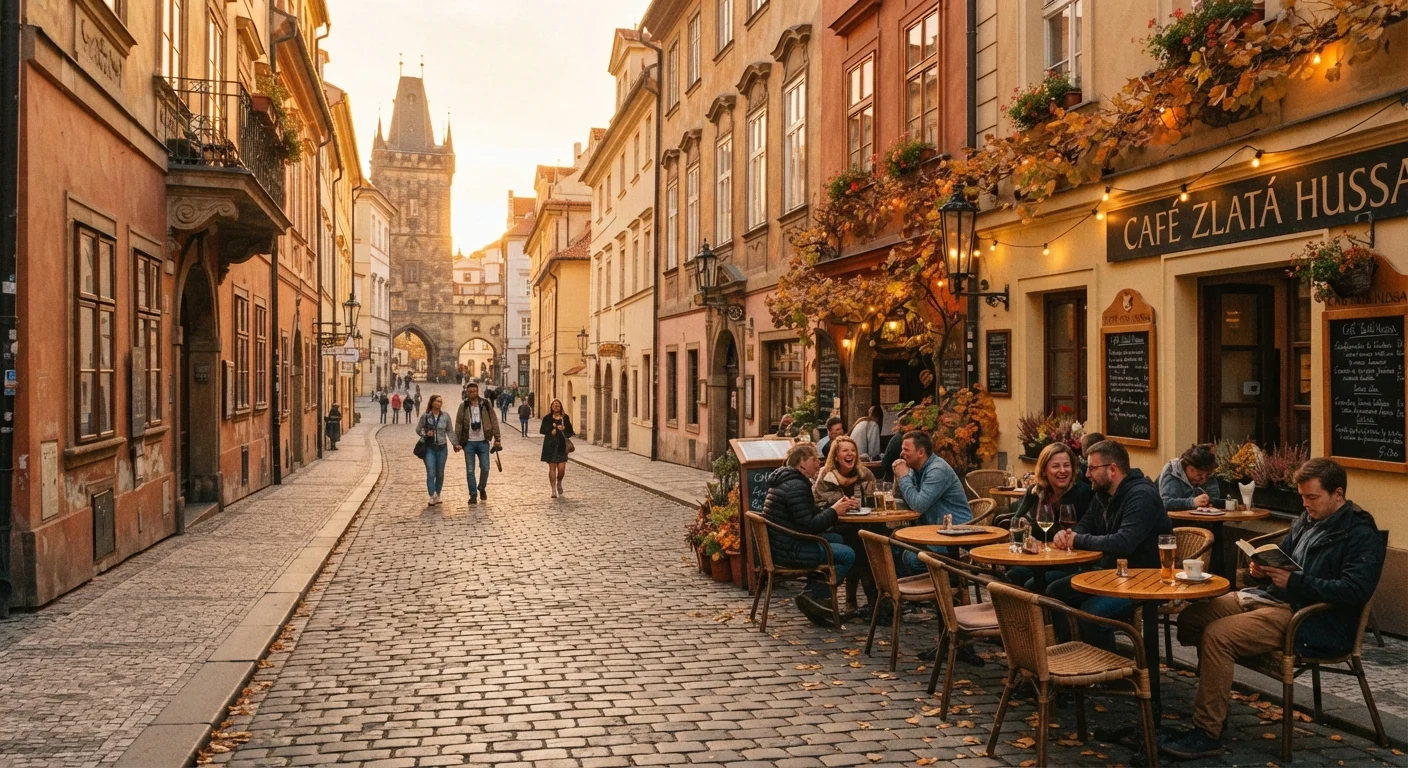
What Shoulder Season Actually Means
Every destination has a demand curve. At the top sits peak season — the stretch when most tourists show up, prices climb, and hotels fill weeks in advance. At the bottom is off-peak, when the crowds have gone but so have some of the attractions, and weather may be genuinely difficult. Shoulder season is the middle ground: still functional, far less crowded, and noticeably cheaper.
The catch is that shoulder season is not a fixed calendar event. It is destination-specific. Barcelona's shoulder season is different from Bali's. A ski town's off-peak is a beach town's peak. That variability is exactly what makes this concept so useful — and so frequently ignored by students who book based on their break dates without checking what those dates mean for pricing at their chosen destination.
Understanding shoulder season starts with understanding why demand spikes in the first place: school holidays, major local events, climate, and marketing. Once you know what drives demand at a specific place, you can identify the gaps — and those gaps are where the value is.
Shoulder Season Timing Is Destination-Specific
Do not apply a single seasonal calendar to all destinations. A Mediterranean beach town's shoulder season (spring and autumn) is completely different from a ski resort's (late spring and early autumn) or a tropical destination's (varies by monsoon and hurricane patterns). Always research the specific place you're considering.
Why This Is a Particular Advantage for Students
Here's the overlooked part: college students often have more scheduling flexibility than they realize. Unlike K–12 students whose families are locked into school-year constraints, college calendars vary by institution, and semester structures don't always align with traditional peak travel windows.
A student at a school on a quarter system may have a break in late October or early November — exactly when many European and domestic destinations are sliding into shoulder season. A student finishing exams in early May can travel before summer peak kicks in. These windows are real and actionable, but only if you look for them. Peak-date pricing affects students hard — shoulder season is one of the clearest ways to sidestep it.
The other advantage students have is fewer family-logistics constraints. Solo or small-group travel is easier to time flexibly than a family of five trying to coordinate schedules.
~30%
Typical flight price drop in shoulder vs. peak season
Travel industry analysis consistently shows that flights to popular destinations often cost meaningfully less outside peak demand windows, though exact figures vary widely by route and year.
2–4 weeks
Length of a typical shoulder season window
Most destinations have shoulder periods lasting several weeks on either side of peak season, giving students with flexible break dates a realistic window to plan within.
How to Identify Shoulder Season for Any Destination
There is no single database that definitively marks shoulder season for every destination, but you can build a reliable picture using a few consistent steps:
- Check the destination's tourist calendar. Local tourism boards often publish demand and event information. Look for the windows between major holidays and popular event periods.
- Look at historical flight price patterns. Flight search tools often show price history by month, which is a reasonable proxy for demand levels even if prices fluctuate.
- Read travel forums and recent trip reports. Travelers who visited during specific months will note crowd levels and conditions firsthand.
- Factor in weather windows. Some shoulder seasons are cheaper precisely because weather is unpredictable — weigh that trade-off honestly. A week of rain in an otherwise affordable destination may or may not be worth it.
Before assuming a destination is affordable, it's worth reading up on how to assess true trip costs — a low sticker price doesn't always reflect total affordability. Shoulder season lowers some costs but not necessarily all of them.
Trade-Offs to Keep in Mind
Shoulder season is not universally better than peak travel — it involves real trade-offs that students should evaluate honestly before booking.
- Weather variability: Many shoulder seasons coincide with transitional weather. Rain, cooler temperatures, or occasional storms are common. Pack accordingly and check typical forecasts for your specific travel window.
- Reduced operations: Some seasonal businesses close or cut hours. If a specific beach bar, tour operator, or seasonal attraction is central to your trip, confirm it operates during your dates.
- Fewer fellow travelers: Depending on your travel style, a quieter destination can feel either peaceful or flat. Some students prefer the energy of a busier season.
- Event overlap: Local festivals and conventions can spike demand even in shoulder months. A single large event can push accommodation prices above peak levels in an otherwise quiet period.
For students who end up needing to travel during high-demand windows, there are still strategies worth knowing — see approaches that can keep peak-season costs manageable. Shoulder season is a strong default, but it's not the only path.
This article provides general travel information for educational purposes. Prices, conditions, and availability vary by destination and change over time. Always verify current travel conditions, entry requirements, and safety advisories through official government and provider sources before making any travel plans.
Frequently Asked Questions
It depends entirely on the destination. For many European cities, shoulder season falls in April–May and September–October. Caribbean shoulder season is typically May–June and November. Always look up the specific destination's demand calendar rather than assuming.
Generally, yes — but safety conditions vary by place and season. Some shoulder periods coincide with weather transitions like hurricane season or monsoon season, which carry their own risks. Check government travel advisories and local forecasts before booking.
Yes. Student discounts on transport, museums, and accommodation are not tied to travel season — they depend on your student status. Carry valid student ID and an ISIC card if travelling internationally to claim them consistently.
Look up the destination's tourist calendar, note when major holidays and local school breaks fall, and identify the gaps. Travel forums, tourism board websites, and historic flight price data can all help you spot lower-demand windows.
Most major attractions remain open, but some seasonal businesses — beach clubs, ski lifts, outdoor tour operators — may have reduced hours or may be closed. It's worth verifying specific sites before you plan your itinerary around them.
No. Prices are driven by demand, and demand can spike due to local festivals, conventions, or events even outside peak tourist season. Shoulder season generally correlates with lower prices, but nothing is guaranteed. Research specific travel dates.
The content provided on our blog site traverses numerous categories, offering readers valuable and practical information. Readers can use the editorial team’s research and data to gain more insights into their topics of interest. However, they are requested not to treat the articles as conclusive. The website team cannot be held responsible for differences in data or inaccuracies found across other platforms. Please also note that the site might also miss out on various schemes and offers available that the readers may find more beneficial than the ones we cover.