

Why These Myths Are So Costly
Most first-time renters sign a lease without fully understanding what they're agreeing to maintain, and that gap in knowledge has a direct price tag: the average U.S. security deposit runs several hundred to over a thousand dollars. Acting on a myth — like assuming your landlord will handle cleaning, or that all repairs are automatically their problem — can mean losing money you could have kept with a little upfront knowledge.
The good news is that tenant rights in the U.S. are well-established, and most disputes come down to documentation and communication. Being informed going in puts you in a much stronger position at move-out. Explore the full apartment basics hub for related guides on navigating your first rental.
Myth
If something breaks through normal use, my landlord can charge me for it when I move out.
Fact
Landlords generally cannot charge tenants for normal wear and tear — it's a legally recognized concept in most U.S. states.
Normal wear and tear refers to the gradual, inevitable deterioration that results from ordinary everyday use — think faded paint, minor carpet wear, or small scuffs on walls. This is distinct from damage, which results from negligence or misuse. Most state landlord-tenant laws prohibit landlords from deducting security deposit funds for wear and tear. The distinction matters: a carpet worn thin after two years of regular use is wear and tear; a carpet stained by a spilled cleaning chemical is damage. If you're unsure where the line falls in your state, check your state's attorney general website or a local tenant rights organization. See our guide on what security deposits actually cover for a closer look.
Myth
If something is broken, I can just wait — it's the landlord's problem to fix.
Fact
Delaying a maintenance report can legally transfer some or all of the repair cost to you, especially if the problem worsens.
Many students assume that anything mechanical or structural is automatically the landlord's responsibility and that they have no role in the process. In reality, most leases require tenants to report maintenance issues promptly. If a small leak goes unreported for weeks and causes water damage, the landlord may argue — sometimes successfully — that the tenant's inaction contributed to the worsening problem. Document issues in writing (email is ideal) as soon as you notice them. This creates a timestamped record that protects you if there's a dispute at move-out. For a practical habit checklist, see habits that prevent common rental maintenance problems.
Myth
A few small nail holes from hanging pictures are no big deal — they're always covered.
Fact
Whether nail holes are chargeable depends on their size, number, and specifically what your lease says.
Small nail holes from a single picture hook may fall under normal wear and tear in many jurisdictions, but this is not a universal rule. Large holes, excessive holes, or holes in prohibited areas (some leases ban wall-mounting entirely) can result in legitimate deductions. Before you hang anything, read your lease carefully. Some landlords include specific clauses about wall alterations. If yours does, use removable adhesive strips instead of nails. When in doubt, ask your landlord in writing before making changes — a brief email asking for permission creates a paper trail that can work in your favor later.
Myth
Cleaning is optional as long as I didn't break anything — the landlord will clean it anyway.
Fact
Landlords can legally deduct professional cleaning costs if the unit is left in a noticeably dirtier condition than when you moved in.
This is one of the most common reasons students lose deposit money. The standard landlords apply isn't "perfectly sterile" — it's that you return the unit in roughly the same state of cleanliness as when you received it. Dirty ovens, greasy stovetops, grimy bathrooms, and stained appliances are frequent targets for cleaning deductions. Review your move-in checklist and photos to understand what condition the unit was in when you arrived. If you didn't document it then, start now and photograph everything before you move out. The reasons landlords keep student deposits often come down to overlooked cleaning tasks.
Myth
My landlord has to give back my full deposit no matter what — they can't just keep it.
Fact
Landlords can make legitimate deductions for damage, unpaid rent, and cleaning — but they must follow state rules about documentation and timelines.
Security deposits are not automatically refundable in full. Landlords can deduct for documented damage beyond normal wear and tear, unpaid rent, lease-breaking fees (if spelled out in the lease), and cleaning costs. However, most states require landlords to provide an itemized written deduction list and return the remaining balance within a set timeframe — commonly 14 to 30 days after move-out. If they fail to do this, they may forfeit the right to keep any of the deposit. Understanding your state's specific rules is essential. The common renting myths that catch students off guard article covers this and other lease misunderstandings in detail.
Myth
Replacing lightbulbs and smoke detector batteries is my landlord's job.
Fact
In most states and leases, routine consumable replacements like lightbulbs and batteries are the tenant's responsibility.
Landlords are generally responsible for ensuring appliances and fixtures work when you move in, but ongoing consumable maintenance typically falls to tenants. This includes replacing burned-out lightbulbs, swapping out smoke detector batteries, and changing HVAC filters if your unit has one. Failure to maintain a functioning smoke detector could even have safety and liability implications. Check your lease — many explicitly list tenant responsibilities. For terminology you'll encounter in these documents, the home maintenance terms renters actually encounter reference guide is a helpful starting point.
How to Protect Yourself from Day One
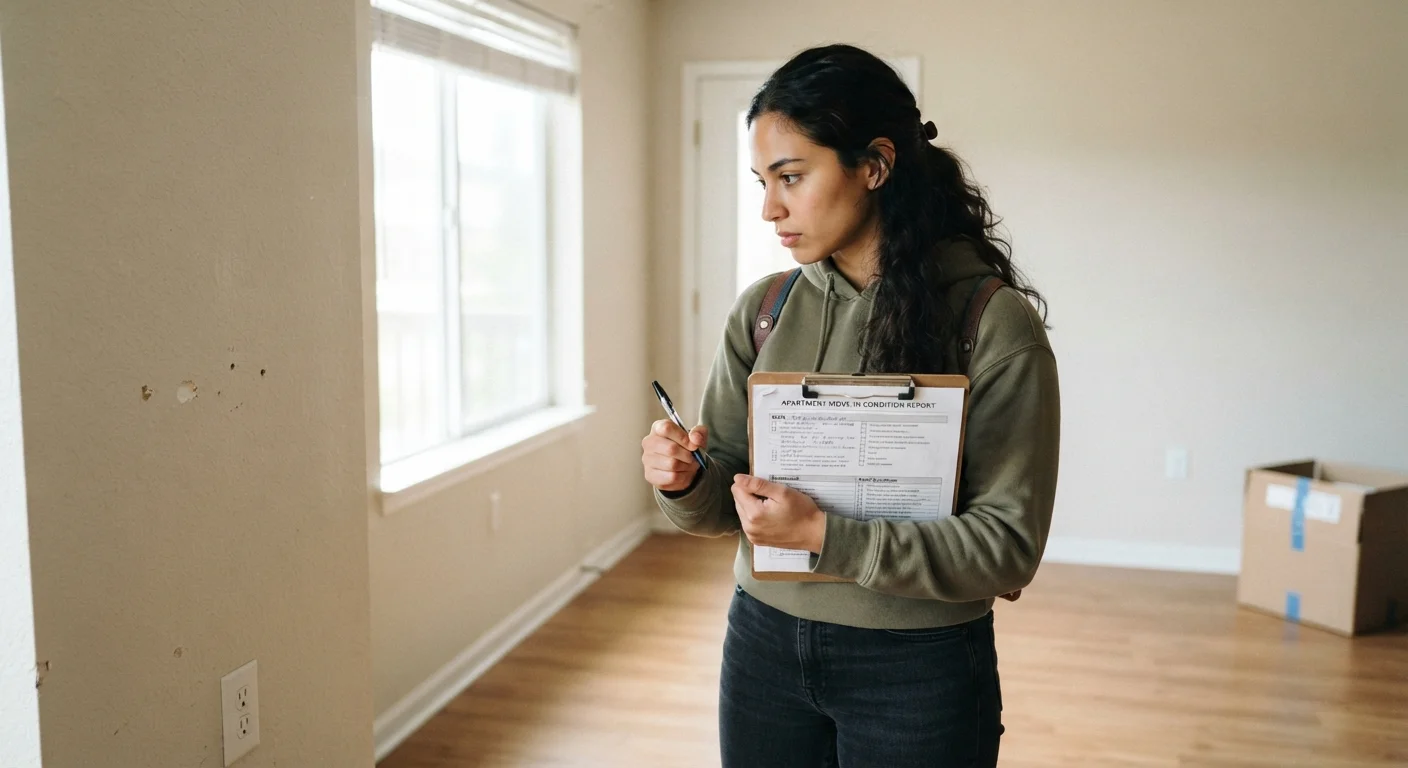
The single most effective thing you can do is complete a thorough move-in inspection. Walk through every room with your landlord's move-in checklist — or create your own — and photograph any existing damage, stains, or defects. Send those photos to your landlord by email the day you move in. This timestamp is your evidence if anything is disputed later.
Don't Skip the Move-Out Walkthrough
Many landlords offer a pre-move-out inspection, and accepting it is almost always in your interest. It gives you a chance to fix minor issues before they become deposit deductions. Ask your landlord in writing if this is available, and attend in person so you can ask questions and document what's discussed.
Beyond documentation, stay proactive throughout your tenancy. Report maintenance issues in writing as soon as they appear, keep up with basic upkeep like cleaning and battery replacement, and review your lease for any specific tenant obligations. Small, consistent habits go a long way — see seasonal upkeep tasks student renters often overlook for a practical season-by-season checklist.
This article is for general informational purposes only and does not constitute legal advice. Landlord-tenant laws vary significantly by state and locality. Consult a qualified legal professional or your local tenant rights organization for guidance specific to your situation.
The content provided on our blog site traverses numerous categories, offering readers valuable and practical information. Readers can use the editorial team’s research and data to gain more insights into their topics of interest. However, they are requested not to treat the articles as conclusive. The website team cannot be held responsible for differences in data or inaccuracies found across other platforms. Please also note that the site might also miss out on various schemes and offers available that the readers may find more beneficial than the ones we cover.